The 2026 solar water pump market is becoming more practical, competitive, and difficult to compare. Suppliers now offer submersible, surface, irrigation, livestock, and household pumping systems. However, product names can hide important differences in flow rate, head height, motor efficiency, controller quality, and after-sales support.
This guide introduces leading Solar Water Pump suppliers and explains their expected price ranges. It considers real purchasing factors, including daily water demand, well depth, sunlight availability, storage tanks, spare parts, and installation conditions. A pump lifting water 30 meters from a borehole needs different specifications from one filling a shallow farm tank. Small details matter.
Prices may vary widely.
The comparison focuses on supplier experience, technical documentation, warranty terms, manufacturing consistency, and service coverage. It also examines whether quoted prices include solar panels, controllers, cables, mounting hardware, and delivery. These additions can significantly change the final project budget. Buyers should request performance curves and written warranty conditions before placing an order.
Still, no supplier ranking can fit every site. Public prices may change with exchange rates, shipping costs, and component availability. Some manufacturers publish impressive specifications but provide limited field evidence. That weakness deserves attention. Therefore, this overview combines market information with practical evaluation methods, while recognizing that local testing remains essential. The goal is not to promote the cheapest pump, but to identify dependable value for farms, homes, communities, and commercial water systems in 2026.
Solar Water Pump Systems: Types, Uses, and Core Components
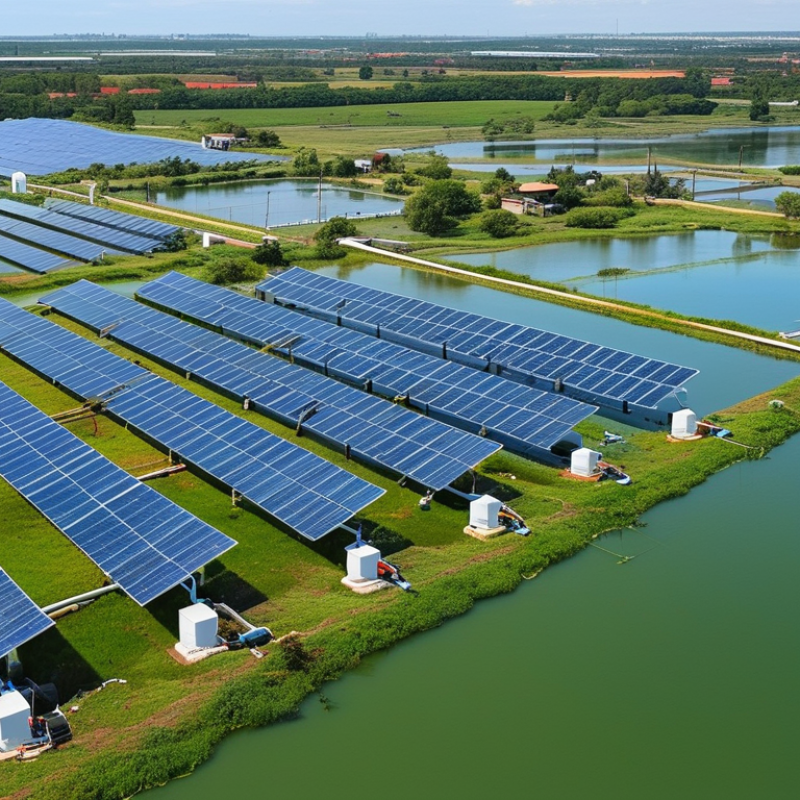
Solar water pumps convert sunlight into practical water movement for farms, livestock areas, households, and remote facilities. Submersible pumps lift groundwater from deep wells, while surface pumps draw water from ponds or canals. A typical system includes solar panels, a controller, wiring, protective devices, pipes, storage tanks, and the pump itself. Direct-drive systems operate during sunlight hours. Battery-assisted systems provide water after sunset, but batteries increase cost and maintenance.
The Food and Agriculture Organization reports that agriculture uses about 70% of global freshwater withdrawals. Efficient pumping therefore matters. Drip irrigation can reduce unnecessary discharge, especially when paired with a storage tank and float control. The International Energy Agency reported global solar photovoltaic capacity above 1,400 gigawatts by the end of 2023. This rapid expansion has improved component availability, although local prices still vary widely.
Sizing should begin with daily water demand, total head, pipe length, and seasonal sunlight. A small livestock system may need only a few hundred watts. Deep irrigation wells can require several kilowatts. Recent renewable-energy cost reports from IRENA show falling solar electricity costs, but pump-system prices also depend on drilling, transport, installation, and water quality. A common mistake is choosing panels before measuring well depth. That approach can produce weak flow. Field testing is still essential. No design is perfect.
Indicative 2026 market ranges for standard solar water-pumping equipment. Prices are shown in USD and generally exclude civil works, long-distance freight, taxes, drilling, and installation. Actual quotations depend on power rating, water quality, required head, flow rate, control functions, and project location.
| Supplier Category | Typical System Type | Primary Application | Common Power Range | Typical Flow Rate | Typical Total Head | Main Pump Material | Core Components Included | Indicative Equipment Price | Typical Service Life | Best-Fit Buyer |
|---|---|---|---|---|---|---|---|---|---|---|
| Local agricultural equipment supplier | DC submersible pump kit | Small farms, livestock watering, household wells, and remote irrigation | 0.37–1.5 kW | 1–8 m³/h | 20–80 m | Stainless steel or reinforced thermoplastic | Solar modules, DC pump, controller, mounting frame, cables, and basic dry-run protection | $500–$2,000 | 5–10 years for the pump; 20–30 years for solar modules | Small farms and off-grid households |
| Regional irrigation system integrator | AC submersible pump system | Deep wells, larger farms, irrigation storage tanks, and community water supply | 2.2–7.5 kW | 8–35 m³/h | 40–180 m | 304 stainless steel, cast iron, or stainless-steel wetted parts | Solar array, variable-frequency drive, AC pump, protection cabinet, sensors, structure, and optional storage tank | $3,000–$12,000 | 7–15 years for the pump; 20–30 years for solar modules | Commercial farms and rural water projects |
| Water-treatment equipment supplier | Surface centrifugal pump | Open reservoirs, canals, ponds, livestock facilities, and low-lift irrigation | 0.75–5.5 kW | 5–45 m³/h | 5–45 m | Cast iron housing with stainless-steel or bronze impeller | Solar modules, pump, controller or inverter, suction pipe, foot valve, filters, and pressure gauge | $1,200–$6,000 | 5–12 years with correct priming and filtration | Sites with accessible surface water |
| Renewable-energy project contractor | High-head borehole system | Deep wells, elevated tanks, municipal supply, and mountainous locations | 5.5–22 kW | 10–80 m³/h | 100–350 m | 304 or 316 stainless steel | Large PV array, MPPT pump inverter, multistage pump, level sensors, surge protection, combiner box, and monitoring | $10,000–$45,000 | 8–15 years for the pump and inverter | Large agricultural and public infrastructure projects |
| Livestock and rural utility supplier | Solar DC helical rotor pump | Low-yield wells, livestock troughs, remote cabins, and dispersed water points | 0.15–1.1 kW | 0.2–5 m³/h | 30–250 m | Stainless steel pump body with elastomer stator | PV modules, DC controller, helical rotor pump, float switch, storage tank connection, and dry-run protection | $700–$3,500 | 5–10 years, depending on water sediment and stator wear | Remote locations requiring steady low-flow delivery |
| Building-services and residential supplier | Solar booster pump | Rainwater reuse, household pressure boosting, garden irrigation, and water transfer | 0.25–2.2 kW | 1–12 m³/h | 10–60 m | Stainless steel or engineering polymer | PV modules, booster pump, controller, pressure sensor, expansion vessel, check valve, and fittings | $600–$3,000 | 5–10 years for the pump | Homes, small buildings, and gardens |
| Industrial pump-system integrator | Solar-powered pressure system | Process water, water treatment, aquaculture, and industrial storage transfer | 7.5–45 kW | 25–250 m³/h | 20–120 m | Stainless steel, cast iron, or duplex steel for corrosive water | PV field, industrial inverter, centrifugal pump, control panel, flow meter, pressure sensors, protection devices, and remote monitoring | $18,000–$100,000+ | 10–20 years with scheduled maintenance | Industrial and high-volume commercial users |
| Humanitarian and community-water contractor | Solar water-kiosk system | Community boreholes, schools, clinics, sanitation, and drinking-water distribution | 1.5–15 kW | 5–60 m³/h | 20–200 m | Food-grade stainless steel or approved corrosion-resistant materials | PV array, submersible pump, controller, elevated storage tank, water-level controls, taps, pipework, and protective enclosure | $8,000–$60,000+ | 7–15 years for major electromechanical equipment | Schools, clinics, villages, and nonprofit projects |
Selection note: The required pump size should be based on total dynamic head, required daily water volume, pipe losses, seasonal solar irradiation, water quality, and the desired operating schedule. Battery storage is often avoided in agricultural pumping by using a water tank as energy storage; batteries may be added when water delivery is required after sunset.