How to Choose the Best Corrugated Iron Roofing Sheet Making Machine?
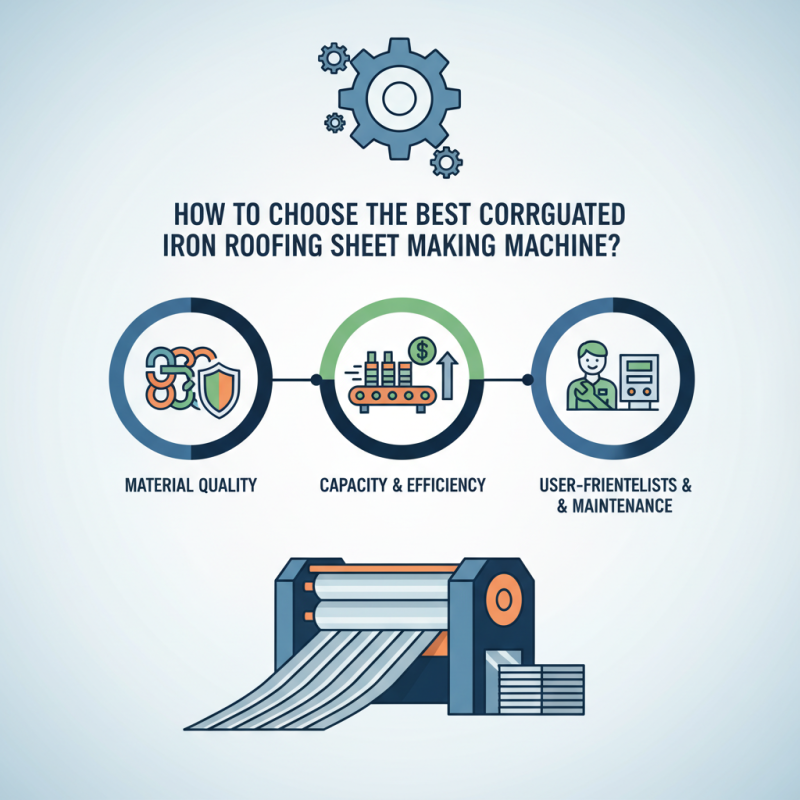
Choosing the right corrugated iron roofing sheet making machine is essential for quality production. These machines influence the durability and efficiency of your projects. A good machine ensures the sheets are strong and well-formed.
When selecting a machine, consider the material used. Is it robust enough for long-term use? Also, think about its capacity. How many sheets can it produce daily? This affects your business's output and profitability. You want a machine that meets your production needs without frequent breakdowns.
Additionally, user-friendliness matters. Can your team operate it without extensive training? A complex machine may require more adjustments and maintenance. Improper usage can lead to waste and additional costs. Find a balance that fits your goals and resources. Making the right choice may take time, but the investment pays off.
Understanding the Basics of Corrugated Iron Roofing Sheet Machines
When choosing a corrugated iron roofing sheet machine, understanding the basics is crucial. These machines play a vital role in manufacturing sheets used in construction. The demand for such roofing materials is on the rise, with the industry projected to grow by 4.5% annually, according to industry reports. This growth is driven by infrastructure development and the push for durable building materials.
A standard corrugated iron roofing sheet machine features several components, including rollers and cutting mechanisms. Rollers shape the metal sheets, creating specific profiles essential for strength and durability. The cutting mechanism must be precise. According to some studies, an accuracy deviation of just 0.5 mm can lead to significant production issues. This highlights the importance of quality control in the manufacturing process.
Not all machines are created equal. The choice often depends on production capacity and technology. Some machines can produce over 1000 sheets daily, while others might fall short. It’s worth noting that price often reflects the machine’s capabilities. Cheaper options may compromise on quality or efficiency. Investing in a reliable machine can yield better long-term returns, even if the initial cost is higher.
Key Features to Consider When Selecting a Roofing Sheet Machine
When selecting a corrugated iron roofing sheet making machine, key features play a crucial role. Pay attention to the machine's capacity. Data shows that a typical roofing sheet machine can produce between 10 to 15 tons of roofing sheets per shift. Machines with higher output can reduce production time and enhance efficiency. However, higher capacity often comes with a larger footprint. Assess your operational space limitations carefully.
The type of materials the machine can handle is essential. Look for a machine that accommodates various steel gauges. Research indicates that a machine capable of processing materials from 0.3 mm to 1.2 mm in thickness provides versatility. This flexibility allows manufacturers to cater to diverse market needs. Ensure that the machine features an easy-change roll forming set-up. Complexity during this process can lead to downtime.
Finally, consider the technology integrated into the machine. Advanced features like automated control systems enhance precision and reduce human error. Reports suggest that machines with smart technology can decrease waste by up to 30%. However, some users find the initial learning curve steep. Balancing the pursuit of technological advancement with user-friendliness is often overlooked. Be aware of these challenges when making your choice.
Evaluating Production Capacity and Efficiency of Roofing Machines
When evaluating the production capacity and efficiency of corrugated iron roofing sheet making machines, several key factors stand out. Production capacity often indicates potential output, but it doesn't tell the whole story. A machine rated for high output may not operate efficiently under all conditions. Reports show that machines can have variances in speed and quality that impact overall performance. For instance, a machine with a theoretical capacity of 10,000 sheets per day may actually produce only 7,500 sheets due to downtime or material inconsistencies.
Efficiency is more than just speed; it involves energy consumption and waste management as well. Studies indicate that machines utilizing advanced technology can reduce energy usage by up to 30% compared to older models. However, this efficiency gain may come with higher initial investment costs. In practice, operators often struggle to balance upfront costs with long-term savings. Maintenance challenges can also arise. If a machine is less reliable, it could lead to significant production delays, impacting overall profitability. Selecting the right machine requires careful consideration of these variables. Each choice could mean the difference between short-term gains and long-term success in the roofing industry.
How to Choose the Best Corrugated Iron Roofing Sheet Making Machine?
| Feature | Specification | Efficiency | Production Capacity (sheets/hour) | Energy Consumption (kW) |
| Sheet Thickness | 0.3 - 0.8 mm | High | 20 - 30 | 15 |
| Roller Material | Alloy Steel | Moderate | 25 - 35 | 20 |
| Control System | PLC Control | Very High | 30 - 40 | 18 |
| Machine Dimensions | 6000 x 2000 x 1500 mm | N/A | 25 - 30 | 25 |
| Weight | 2500 kg | N/A | 20 - 25 | 22 |
Assessing Material Quality and Durability of Roofing Equipment
When assessing material quality and durability in roofing equipment, one must consider several factors. A robust roofing sheet can withstand severe weather conditions. Reports indicate that the best corrugated iron sheets last up to 50 years with proper maintenance. This longevity makes durability a key focus when choosing a roofing machine.
One important aspect is the thickness of the sheets produced. A thickness of 0.5 mm is generally recommended for good resilience. However, many machines offer variations, leading to confusion. Thin sheets may save costs initially, but they require frequent replacements. This is an aspect that often gets overlooked during purchasing decisions.
The type of materials used in the machine's construction also impacts the final product. Steel with a high tensile strength is essential. Corrosion resistance is another critical factor, especially in coastal areas. An alarming statistic shows that about 30% of roofing sheets in specific regions fail preemptively due to low-quality steel. Therefore, careful evaluation of these specifications can lead to better long-term investments. Enthusiasts sometimes disregard these details because they assume that all machines operate similarly. This can lead to unexpected issues down the line.
Comparing Costs and Operational Expenses of Different Machines
When selecting a corrugated iron roofing sheet making machine, costs play a crucial role. The price of the machine itself is important. However, consider the operational expenses as well. These may include electricity, maintenance, and labor costs. Machines can vary significantly in energy consumption. A high-quality machine may cost more upfront but save costs in the long run.
Operational expenses can add up quickly. For instance, a machine that requires frequent repairs can lead to additional costs. It's essential to evaluate the reliability of the machine. The cheaper option might seem appealing, but hidden costs can emerge. Regular maintenance is necessary to ensure longevity and efficiency. Reflect on how much you're willing to invest in these aspects.
Additionally, consider the machine's production capacity. A higher capacity may justify a higher initial investment. Yet, if your production needs are modest, a smaller machine could suffice. Think about your business goals. Are you aiming for growth, or is it a stable operation? Your choice should align with your vision. Balancing costs and quality requires careful thought.