Why Choose Rubber Seals for Your Industrial Needs?
Rubber Seals are crucial in many industrial applications. They excel in providing effective sealing solutions against leaks and contamination. According to a recent market report, the global rubber seal market is projected to reach $5.3 billion by 2025. This growth underscores the increasing demand for durable, reliable sealing components.
The rise in industrial automation and machinery has further fueled the need for high-quality rubber seals. Research indicates that rubber seals can enhance equipment lifespan by minimizing wear and tear. However, choosing the right type can be challenging. Each application has unique requirements, and not all rubber seals perform equally.
It’s essential to consider factors like temperature, pressure, and chemical exposure when selecting a seal. Misjudgments in these areas can lead to costly failures. Many industries have faced operational downtime due to inadequate sealing solutions. Therefore, understanding the properties of rubber seals is vital for optimizing performance and reliability in industrial settings.
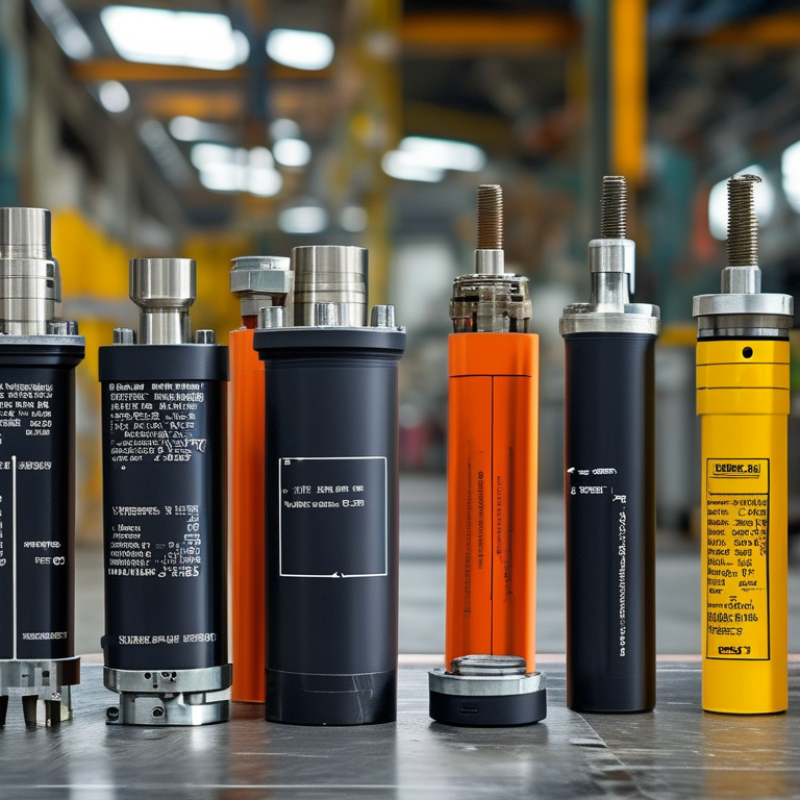
Understanding the Benefits of Rubber Seals in Industrial Applications
Rubber seals are essential components in many industrial applications. They provide effective sealing solutions, preventing leakage of fluids and gases. This functionality is crucial in industries such as automotive, aerospace, and manufacturing. Using rubber seals can improve efficiency and safety in various operations.
One notable benefit of rubber seals is their ability to withstand extreme temperatures and pressures. They can perform well in harsh environments, maintaining their integrity over time. Many industrial processes require components that do not easily wear out. Rubber seals offer durability and resilience, making them a reliable choice.
However, it's important to consider the limitations of rubber seals. Some formulations may not resist certain chemicals or oils, leading to premature failure. Users must select the right type of rubber for their specific applications. Regular assessments of seals in operation can help identify signs of wear or degradation. Choosing the right rubber seal involves understanding both benefits and potential drawbacks.
Benefits of Rubber Seals in Industrial Applications
This chart illustrates the various benefits of using rubber seals in industrial applications, highlighting the key advantages that make them a preferred choice in many sectors.
Common Types of Rubber Seals and Their Uses in Industry
Rubber seals play a crucial role in various industrial applications. They provide effective insulation, preventing leaks and maintaining pressure in systems. There are several types of rubber seals, each designed for specific functions. O-rings are one of the most common types. They fit snugly into grooves, creating a tight seal, which is essential for hydraulic systems.
Gaskets are another key type. They ensure a leak-proof connection between surfaces. Often used in engines, they withstand high pressure and temperature. Additionally, lip seals are effective in rotating machinery, sealing shafts to prevent contaminants from entering. Their design allows smooth rotation while maintaining an effective barrier.
While rubber seals are effective, their performance depends on factors like temperature and chemical exposure. Users should regularly inspect seals for wear and replace them when necessary. Over time, rubber can degrade. This degradation can lead to leaks and equipment failure. Understanding the limitations of rubber seals is essential for maintaining industrial systems.
Why Choose Rubber Seals for Your Industrial Needs?
| Seal Type | Material | Application | Temperature Range (°C) | Chemical Resistance |
| O-Ring Seals | Nitrile Rubber | Hydraulic systems | -40 to 120 | Hydrocarbons, oils |
| Gasket Seals | EPDM Rubber | Water pipes | -50 to 150 | Water, steam, aluminum |
| Lip Seals | Silicone Rubber | Rotating shafts | -60 to 200 | Ozone, UV, high temperatures |
| Flat Seals | Neoprene Rubber | Electrical enclosures | -30 to 100 | Weathering, oils |
| Custom Seals | Fluoroelastomer | Specialized equipment | -20 to 250 | Strong chemicals, fuels |
Factors to Consider When Selecting Rubber Seals for Specific Needs
When selecting rubber seals for industrial applications, several factors come into play. Material composition is crucial. Different types of rubber, like nitrile or silicone, offer varying resistance to heat, chemicals, and wear. The right choice should match the specific environment where the seal will be used. An inadequate selection might lead to premature failure, which can be costly.
Another important consideration is the size and shape of the seal. Accurate measurements are essential to ensure a proper fit. Even minor discrepancies can result in leaks or ineffective sealing. Users often overlook this detail. Testing prototypes in real conditions can help identify potential issues before full-scale production.
Durability and flexibility also matter. Seals need to endure cycles of compression and expansion. They often operate in harsh environments that can degrade materials over time. Regularly assessing the condition of seals can prevent unexpected breakdowns. Observing wear patterns can provide insight into potential improvements.
Maintenance Tips for Ensuring Longevity of Rubber Seals
Rubber seals play a critical role in industrial applications. They provide essential protection against dust, dirt, and moisture. However, their longevity depends on proper maintenance. By following some practical tips, you can ensure they remain effective over time.
Regular inspections are key. Check for visible signs of wear or deformation. Even small cracks can lead to failures. Clean the surfaces where rubber seals are installed. Dirt can cause improper sealing and may lead to leaks. Applying a suitable lubricant can help maintain flexibility.
Store rubber seals properly when not in use. Keep them in a cool, dry place, away from direct sunlight. This reduces the risk of deterioration. Avoid exposing seals to harsh chemicals. These substances can wear down the rubber. Keep an eye on temperature changes, as they impact seal performance. Remember, neglecting maintenance can result in increased costs and downtime.
Comparative Analysis: Rubber Seals vs. Other Sealing Materials
When considering sealing solutions, rubber seals stand out for their versatility and effectiveness. Rubber is known for its excellent elasticity, allowing it to compress and occupy gaps. This adaptability creates a tight seal that can withstand a range of pressures. However, it is not without limits. In high-temperature environments, rubber may degrade faster than some alternatives.
Comparing rubber seals with other materials, such as metal or plastic, reveals distinct pros and cons. Metal seals excel in extreme conditions but often lack the flexibility of rubber. Plastic alternatives might perform adequately in non-critical applications but can wear out over time. Each material's performance hinges on specific usage scenarios, making it crucial to assess the particular demands of your application.
The choice of sealing material impacts efficiency and system longevity. Regular evaluations of sealing materials are essential to ensure maximum effectiveness. Understanding these differences can lead to better decision-making and improved operational reliability.


