

Choosing the best Electric Scooter Bike begins with the ride you actually need. A smooth commute on paved streets calls for different features than a route with hills, rough pavement, or stairs. The category can also describe different designs, so check whether a model has pedals, a standing deck, or both. That distinction changes how it feels to ride, store, and maintain.
Demand for small electric rides is growing. NACTO’s Shared Micromobility in the U.S. and Canada: 2023 report recorded 133 million shared e-bike and e-scooter trips that year. That figure describes shared rides, not private sales, but it shows how often people use these vehicles for everyday travel. Range is personal. A useful comparison starts with your route, not the largest number on a product page.
Look closely at battery capacity, real-world range claims, braking, tire size, lighting, and total weight. A heavy model may feel reassuring on a fast road but become awkward on stairs. A compact one may fit under a desk yet feel less steady on broken pavement. Small details count. Ask how the manufacturer tests range, whether replacement parts are available, and what the warranty covers. No single specification settles the choice; even a well-reviewed model may not suit your commute. Allow some doubt, then compare models against the same daily route and practical needs.
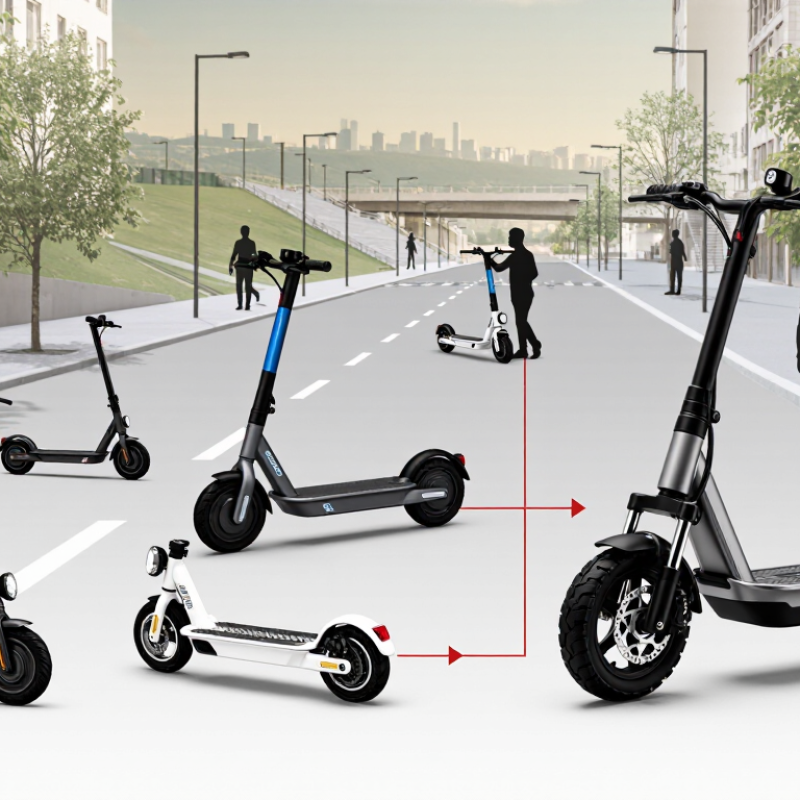
“Electric scooter bike” can describe several different rides, so match the frame to your route. Stand-up scooters fold easily and suit short, smooth urban trips. Seated scooters offer a more relaxed posture, but their larger frames can be harder to store. Scooter-style electric bikes add pedals and often larger wheels, making them more practical for longer commutes or uneven pavement. Check tire size, braking, lights, and whether the battery can be removed indoors. Small details matter on a wet curb.
Use patterns offer helpful context. NACTO’s 2023 Shared Micromobility Report recorded 133 million shared micromobility trips in the United States and Canada, including both bike and scooter trips. That figure signals substantial short-trip demand, but it does not tell you which vehicle fits your journey. Measure your usual distance, note hills and rough patches, and consider where you will park or charge. A compact scooter may be easy to carry, yet less comfortable over broken pavement. No type wins every route.
Tips: Test the riding position before buying. Try a short ride over pavement like yours, and check whether the brakes feel controlled. Compare the maker’s range estimate with your real daily distance; cold weather, hills, and frequent stops can reduce it. Keep some margin.
| Type | Typical Design | Best Suited For | Terrain and Conditions | Portability | Main Trade-Off |
|---|---|---|---|---|---|
| Folding Commuter Scooter | Standing platform, upright handlebar, and a folding stem; usually designed for one rider. | Short urban trips, commuting, and combining a ride with public transit. | Best on paved streets, bike paths, and other relatively smooth surfaces. | Often easier to carry and store than larger scooter types, though weight varies by battery and frame. | Small wheels and compact frames can feel less comfortable on rough pavement; check the rated load and braking system. |
| Seated Electric Scooter | Platform scooter fitted with a seat, typically with a step-through frame and upright riding position. | Riders who prefer to sit, including those making relaxed local trips or who find standing uncomfortable. | Generally intended for paved roads and paths; suitability for hills depends on motor output and rider load. | Usually less convenient to carry or store than a folding standing scooter. | The seat adds comfort for some riders but increases size and may make the vehicle harder to transport. |
| Moped-Style Electric Scooter | Step-through body, seat, larger wheels, and a more substantial frame; some models include footrests or storage. | Longer local journeys and riders who want a more motorcycle-like seated position. | Designed mainly for paved roads; check local rules before using it on public roads or bike paths. | Typically heavy and not intended to be carried frequently. | Offers a stable, seated layout but requires more parking and storage space; registration, licensing, or helmet rules may apply depending on location and vehicle classification. |
| Off-Road Electric Scooter | Usually has wider tires, stronger suspension, a higher-clearance frame, and more substantial brakes than a basic commuter scooter. | Riding on permitted dirt tracks, gravel paths, and uneven private or designated trails. | More capable on rough surfaces, but not every model is suitable for mud, deep sand, or steep terrain. | Generally bulky and heavier than commuter models. | Improved traction and suspension often come with greater weight, higher energy use, and reduced ease of carrying. |
| Cargo or Utility Scooter | Reinforced frame with a cargo rack, basket, or other load-carrying fittings; some designs have a longer platform. | Carrying groceries, work equipment, or other everyday loads within the vehicle’s rated capacity. | Best on firm, relatively smooth routes; added cargo can affect handling and braking. | Often larger and less portable than a standard commuter scooter. | Useful for carrying items, but the maximum load includes the rider and cargo; follow the manufacturer’s limits. |
| Three-Wheeled Electric Scooter | Three-wheel layout, commonly with two wheels at the front or rear, and a wider standing or seated platform. | Riders who value a wider base and a different balance feel for low-speed, everyday trips. | Most suitable for smooth, predictable surfaces; turning behavior differs from two-wheeled scooters. | Usually wider and more difficult to fold or carry. | The extra wheel can provide a broader base, but it does not remove the need for careful steering, braking, and balance. |
