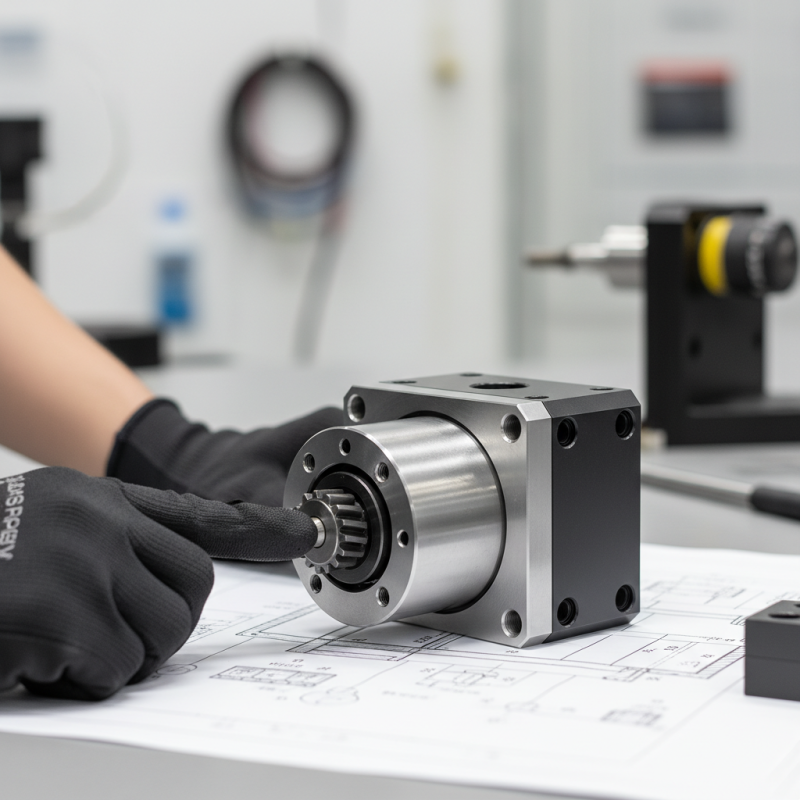
How to Choose the Best 180 Rotation Rotary Actuator?
Choosing the best 180 Rotation Rotary Actuator can be daunting. These devices play a crucial role in various applications, from robotics to industrial machinery. Your choice impacts efficiency and performance.
When considering a rotary actuator, it's essential to evaluate your specific needs. Think about torque requirements and speed variations. Different models have unique specifications. Some might excel in precision, while others focus on speed. This creates an array of choices, each with its pros and cons.
It's easy to overlook small details that can affect your final decision. Price shouldn't be the only factor. Quality and durability often matter more. Reflect on the brand reputation and customer reviews. In the end, the right 180 Rotation Rotary Actuator enhances productivity. However, ensuring it fits your application is vital.
Understanding the Basics of 180 Rotation Rotary Actuators
When selecting a 180 rotation rotary actuator, it's crucial to grasp the fundamentals. These devices help convert electrical energy into rotational motion. They are prevalent in robotics, automation, and more. Understanding how these actuators operate is vital for effective applications.
A key aspect is the torque output. It determines the load the actuator can move. Too little torque may lead to performance issues. Consider the specific requirements of your project. Is the load dynamic or static? Each scenario affects actuator choice. Another factor is speed. Different projects necessitate various speeds for rotation.
Moreover, size and weight matter. A compact design can save space in tight setups. However, smaller actuators may not handle heavier loads effectively. Reflect on your needs. Sometimes it’s easy to overlook compatibility with existing systems. Ensuring a smooth integration is essential. Pay attention to these factors during selection for optimal performance.
Performance Comparison of 180 Rotation Rotary Actuators
Key Factors to Consider When Selecting a Rotary Actuator
When selecting a 180 rotation rotary actuator, consider several key factors. The torque rating is crucial. This determines how much force the actuator can handle. Reports suggest that actuators with a higher torque rating offer better efficiency. Look for specifications that align with your application needs.
Another vital factor is speed. Actuators vary in their rotational speed capabilities. A higher speed can mean quicker operation, which might be necessary for certain tasks. The operational environment also affects your choice. If the actuator will face extreme conditions, ensure it is built to withstand them. According to industry data, over 20% of failures stem from unsuitable environmental conditions.
**Tip:** Always assess the actuator's duty cycle. Some applications require continuous operation, while others can tolerate intermittent use. Selecting the right duty cycle is essential for longevity.
Also consider the mounting style. Various types of mounting can influence performance. The wrong mount could lead to misalignment, resulting in unexpected failures. It’s worth noting that approximately 30% of actuator issues arise from installation errors.
**Tip:** Don’t overlook the control method. Choices include manual, pneumatic, or electrical controls. Each has its pros and cons. Reflect on the flexibility needed for your application.
How to Choose the Best 180 Rotation Rotary Actuator? - Key Factors to Consider When Selecting a Rotary Actuator
| Factor | Description | Importance Level |
| Torque Capacity | The maximum force the actuator can exert to rotate an object. | High |
| Rotation Speed | The speed at which the actuator can achieve a full 180-degree rotation. | Medium |
| Size and Weight | Physical dimensions and weight of the actuator which may impact installation. | Medium |
| Control Type | The method used to control the actuator (e.g., electric, pneumatic, hydraulic). | High |
| Response Time | The time taken for the actuator to respond to commands. | High |
| Durability | The actuator's ability to withstand wear and operating conditions. | High |
| Cost | The overall expense of purchasing and maintaining the actuator. | Medium |
Types of 180 Rotation Rotary Actuators and Their Applications
When selecting a 180 rotation rotary actuator, it is crucial to understand its types and applications. There are mainly two categories: standard and high-performance actuators. Standard rotary actuators are generally used in consumer applications. They can be found in automated systems and robotics. These devices provide reliable motion for various mechanisms, allowing them to perform precise actions.
High-performance actuators, on the other hand, are designed for industrial use. They often operate under more demanding conditions. These actuators offer enhanced torque and speed, making them essential in manufacturing settings. They drive conveyor belts or control valve positions with high accuracy. However, their complexity can lead to maintenance challenges. Users should be prepared for potential issues. Regular inspections are necessary to avoid downtimes.
Each type has its pros and cons. While the standard actuator is easier to implement, the high-performance variant offers better output. Be mindful of your specific needs before making a selection. Evaluate the operational environment and the required precision. This reflection will ensure that the chosen actuator meets the intended purpose effectively.
Technical Specifications to Evaluate Before Purchase
When selecting a 180 rotation rotary actuator, technical specifications are crucial. Start with torque ratings. These indicate the actuator's strength and its ability to perform tasks. Choosing a model with inappropriate torque may lead to inefficiencies or even failures in operation. Keep in mind that larger applications might require higher torque capacity.
Another vital aspect is the speed of rotation. Actuators vary widely in speed. A slower actuator may be beneficial for precise movements, while a faster one could enhance productivity. Think carefully about your specific needs. Sometimes, the fastest option isn't the best choice.
Consider the power supply type as well. Different devices operate on various voltages and currents. Make sure to check compatibility with your system. Inadequate power can lead to malfunction. Also, look at the actuator's form factor. Ensure it fits within your installation area. Remember, even minor measurement errors can cause significant issues down the line.
Comparing Leading Brands of 180 Rotation Rotary Actuators
Choosing the right 180 rotation rotary actuator can be challenging. Several brands offer unique features and performance levels. When comparing options, look at torque ratings and speed specifications. These factors can greatly affect your project's success. Some brands excel in compact designs, while others shine in durability. Consider what matters most for your application.
It’s essential to evaluate customer feedback. Users often share their experiences, highlighting both strengths and weaknesses. Some actuators may be highly rated but lack customer support. That’s a red flag. Others might have fewer reviews but prove reliable and effective. Do thorough research before making a decision.
Take the time to analyze your specific needs. If precision is vital, note how each actuator performs in that regard. Some consumers overlooked this, leading to frustration. Balancing performance, cost, and reliability can be tricky. Each brand has its quirks that might fit or fall short of your needs. Don't rush this important choice.