How to Choose the Right Hand Retractable Spring Plunger?
Choosing the right Hand Retractable Spring Plunger can significantly affect performance and efficiency in mechanical systems. These devices are essential in applications like fixtures and tooling, offering easy engagement and disengagement. According to a recent industry report, the demand for spring plungers is projected to grow by 5% annually over the next five years.
Selecting a high-quality Hand Retractable Spring Plunger involves understanding specifications such as load capacity and materials. For instance, stainless steel plungers resist corrosion effectively; however, they might not be suitable for all environments. Additionally, some plungers may have inadequate spring tension, affecting their reliability over time.
It’s crucial to assess your specific application needs carefully. Many users overlook the importance of compatibility with existing mechanisms. Ensuring that your choice addresses these factors will lead to better performance outcomes. As we explore the options available, remain mindful of these details to make an informed decision.
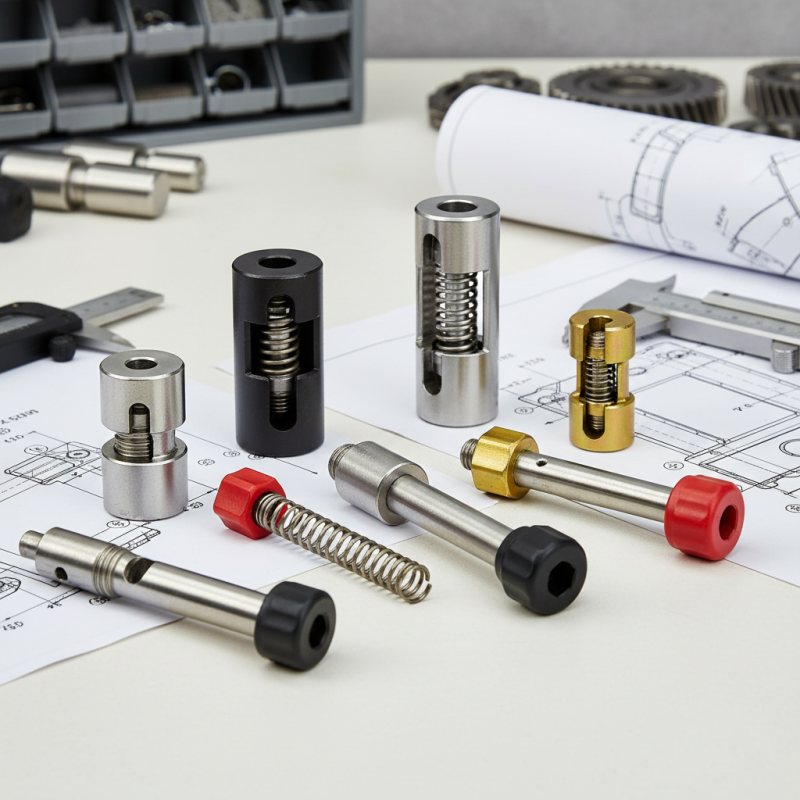
Understanding Hand Retractable Spring Plungers: An Overview
When considering hand retractable spring plungers, it's essential to understand their mechanics and applications. These devices are commonly used in locking mechanisms, fixtures, and jigs. According to a market analysis report by TechSci Research, the global market for industrial springs is expected to reach $10 billion by 2025, highlighting their increasing importance in manufacturing sectors.
The functionality of these plungers relies on a spring that retracts when pressed. This design allows easy engagement and disengagement of components. However, users may overlook the compatibility with their specific application. Factors like load capacity, materials, and size must be assessed. Inappropriate choices can lead to premature wear or safety issues. In fact, industry surveys indicate that 30% of mechanical failures are due to improper component selection.
Understanding the specifications, like diameter and stroke length, is crucial. A study published in the International Journal of Mechanical Engineering found that precise alignment affects the efficiency of plungers in applications. Keeping timelines and production schedules in mind can complicate these choices further. It's vital to document experiences and review past selections to improve future decisions.
Key Factors to Consider When Selecting a Spring Plunger
When selecting a hand retractable spring plunger, several key factors play a crucial role. Consider the application type. This influences the plunger's material and strength. For light applications, plastic may suffice. However, for heavier uses, metals like stainless steel are preferable.
Tip: Assess the environment where the plunger will be used. Will it face corrosion? If yes, opt for corrosion-resistant materials. This ensures longevity and reliability in harsh conditions.
Another factor is the size and stroke length. Ensure the plunger fits comfortably within your design. A plunger that is too long or short can fail to perform as intended.
Tip: Don’t overlook the locking mechanism. Different designs offer varying levels of security. Evaluate how often the plunger will be engaged and disengaged. This can affect your choice significantly.
Take some time to reflect on these elements. The right choice boosts efficiency and enhances functionality. Remember, even the best plans may run into unforeseen issues. Adapting your choices based on real-world testing is always a wise approach.
Spring Plunger Selection Criteria
Different Types of Hand Retractable Spring Plungers Explained
When selecting a hand retractable spring plunger, it’s essential to understand the different types available. These devices are generally categorized based on their mechanism and application. The most common types include standard plungers, locking plungers, and push-to-release plungers. Each type serves a unique purpose and offers varying levels of holding strength and release methods.
Standard plungers provide a quick and simple mechanism for applications needing temporary fastening. They are easy to operate but may not remain securely in place under high stress. Locking plungers, on the other hand, feature a mechanism that ensures they stay engaged until intentionally released. This additional security makes them ideal for critical applications. Push-to-release plungers allow for a straightforward release with minimal effort, making them suitable for applications where speed is essential.
Choosing the right type depends on specific requirements. Consider factors like load capacity, frequency of use, and the environment in which they will operate. In some cases, individuals may overlook the need for a locking feature, leading to unexpected disassembly. Evaluating your project needs will help mitigate potential issues and enhance efficiency in usage. Ultimately, understanding these distinctions can assist in making an informed decision.
Material and Durability: Choosing the Right Plunger for Your Needs
Choosing the right material for your hand retractable spring plunger is crucial. A high-quality plunger can greatly enhance the efficiency of your mechanism. Common materials include stainless steel, plastic, and aluminum. Each offers distinct advantages depending on your application.
Stainless steel is known for its durability and resistance to corrosion. It is an excellent choice for outdoor use or in harsh environments.
Plastic plungers, while lightweight, may lack the strength required for heavy-duty tasks. However, they can perform well in less demanding applications. Aluminum provides a balance between strength and weight. It is also resistant to corrosion, making it suitable for various conditions.
When selecting a plunger, consider the specific needs of your project. Evaluate load requirements and environmental factors. You may find that perfectly matching the material to your requirements is challenging. Sometimes, compromises are necessary. For example, choosing a lighter material might mean sacrificing some strength. Reflecting on these trade-offs can help you make a more informed decision.
Installation and Maintenance Tips for Hand Retractable Spring Plungers
When installing a hand retractable spring plunger, attention to detail is crucial. Start by ensuring the mounting hole is correctly sized. The correct diameter ensures the plunger fits snugly, which prevents misalignment during operation. A report from the Precision Metalforming Association highlights that incorrect installation can lead to a 20% increase in equipment wear.
Regular maintenance is equally important. Inspect the plunger for wear and tear at scheduled intervals. Dirt and debris can accumulate, affecting performance. Industry studies show that regularly cleaned plungers maintain a 30% longer lifespan. Use compressed air for cleaning, ensuring no particles remain. This simple step can optimize functionality and prevent unforeseen breakdowns.
Additionally, ensure lubrication is applied as necessary. Proper lubrication minimizes friction and prolongs the life of the plunger. A balance is needed; too much lubricant can attract dirt, leading to more issues. Following manufacturer guidelines is essential, but expert advice often gets overlooked. Remember to adapt maintenance practices based on operating conditions; this can be a game changer in industrial applications.


