How to Choose the Right Waste Management Plant for Your Needs?
Choosing the right Waste Management Plant can significantly impact environmental sustainability. With various options available, understanding your needs is crucial. Factors such as waste type, local regulations, and processing technology play a role in your decision.
Many facilities offer different methods. Some focus on recycling, while others prioritize energy recovery. Researching specific plants helps you make informed choices. Efficiency and reliability are key indicators of a plant's performance. Reviews and case studies can provide insights into successful operations.
Engaging with industry experts is highly beneficial. They can share experiences that illuminate potential pitfalls. Remember, identifying your waste management needs is an evolving process. Reflection on your priorities will lead to better decision-making, ensuring you select a Waste Management Plant that aligns with your goals.
Identifying Your Waste Management Needs and Goals
Identifying your waste management needs is crucial for effective solutions. Start by assessing the types of waste you generate. This could include organic, recyclable, or hazardous materials. Each category requires different handling methods. For instance, organic waste might need composting, while recyclables should be sorted correctly to ensure efficient processing.
Next, set clear goals for your waste management system. Do you aim to maximize recycling rates? Or perhaps you want to minimize waste sent to landfills? Having a well-defined objective helps in choosing the right plant. Reflect on what has and hasn't worked in the past. Are there gaps in your current approach? Recognizing these areas can guide you toward a more tailored solution that meets your specific needs. This self-reflection is key to optimizing waste management efforts and ensuring sustainability over time.
Understanding Different Types of Waste Management Plants
When selecting a waste management plant, understanding the various types is crucial. Landfills are often the most recognized option. They take in waste, compact it, and cover it with soil. However, over time, landfills can lead to soil and water contamination. The environmental impact remains a concern, urging us to rethink reliance on this method.
Another common type is the recycling plant. These facilities focus on separating recyclables from waste. They process materials like plastics, metals, and paper, turning them into reusable resources. Recycling reduces the amount of waste while conserving energy. Still, it comes with challenges like contamination of recyclables, which can hinder the process.
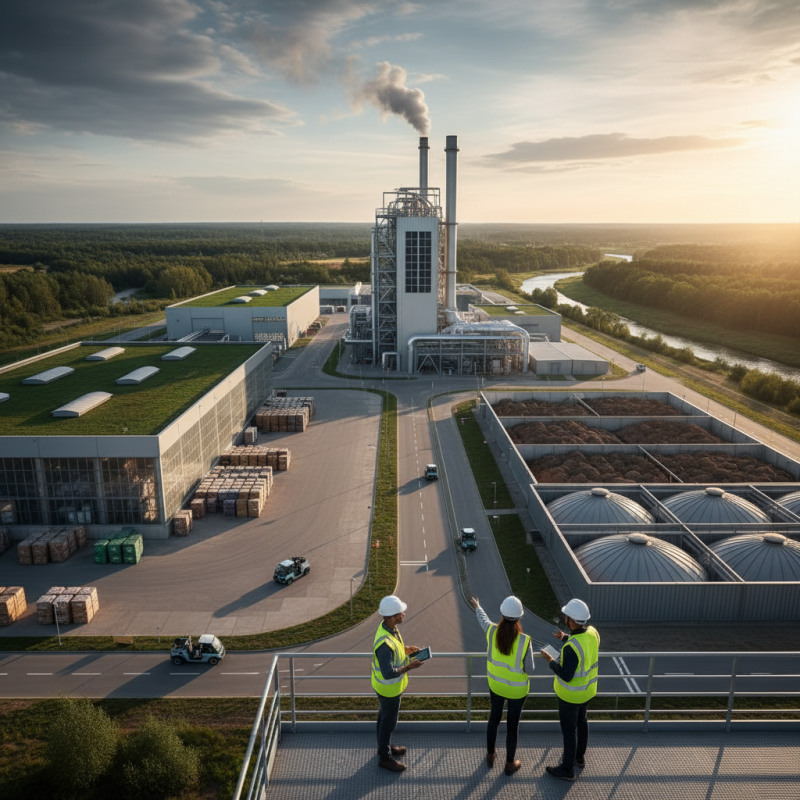
Energy-from-waste plants are gaining traction. They convert waste into energy through incineration. This method not only reduces waste volume but also generates electricity. Nonetheless, emissions from these plants can affect air quality. We must weigh the benefits against the potential downsides, ensuring we choose a solution that aligns with community values and environmental goals.
Assessing Technological Capabilities and Innovations
Selecting the right waste management plant hinges significantly on its technological capabilities. Advanced technologies can drastically improve waste processing efficiency. Look for features like automated sorting systems and energy recovery processes. These innovations can enhance overall operational effectiveness.
Consider plants that adopt cutting-edge technology. For instance, artificial intelligence can optimize sorting processes. This not only reduces human error but increases sorting speed. Similarly, integrating real-time monitoring systems ensures peak operational efficiency. Knowledge of such advancements helps in making informed decisions.
However, be cautious. Not all plants tout every technological upgrade as universally beneficial. Some innovations may not suit specific waste types or local regulations. Research is key. Evaluate a plant’s track record to ensure reliability. Understanding both strengths and limitations will guide you in choosing wisely. A focus on tangible benefits is essential for effective waste management.
Evaluating Regulatory Compliance and Environmental Impact
When selecting a waste management plant, evaluating regulatory compliance is crucial. Facilities must meet local, national, and international standards. For instance, the U.S. Environmental Protection Agency (EPA) requires strict adherence to the Resource Conservation and Recovery Act (RCRA). Non-compliance can lead to heavy fines and jeopardize public health. In 2022, the EPA reported over 5,000 violations across waste management facilities.
Environmental impact plays a pivotal role in the decision-making process. Plants must implement sustainable practices. A study by the World Bank estimates that poorly managed waste could cost cities up to $2.2 trillion by 2025. This highlights the economic importance of selecting a plant with a strong environmental track record. Research has shown that facilities that focus on recycling and composting reduce landfill reliance by over 30%.
However, it is essential to recognize potential shortcomings. Not all plants report their environmental performance transparently. This lack of accountability can obscure the true impact of their operations. A 2023 survey revealed that only 45% of facilities publicly share their compliance records. This raises questions about the reliability of their environmental claims. Exploring these aspects is vital for making informed decisions in waste management.
Comparing Costs and Operational Efficiency of Options
Choosing the right waste management plant requires careful evaluation of costs and operational efficiency. Research indicates that waste management costs vary significantly based on technology and location. According to a recent report by the International Solid Waste Association (ISWA), costs can range from $30 to $100 per ton of waste processed, depending on factors like facility type and waste stream.
Operational efficiency is another key factor. A study by the World Bank suggests that advanced waste-to-energy plants can achieve an efficiency rate of up to 90%. In contrast, traditional landfills often operate at much lower efficiency levels. It’s crucial to analyze the energy recovery potential and resource recovery capabilities when selecting a facility. This assessment helps ensure you maximize both economic and environmental benefits.
While it is important to focus on efficiency, not all plants are capable of scaling operations effectively. Many facilities face challenges in handling fluctuating waste volumes. Therefore, assessing a plant's adaptability to changing conditions is vital. A holistic view, considering both costs and operational flexibility, will guide you toward making more informed decisions.
Comparison of Waste Management Plant Costs and Operational Efficiency