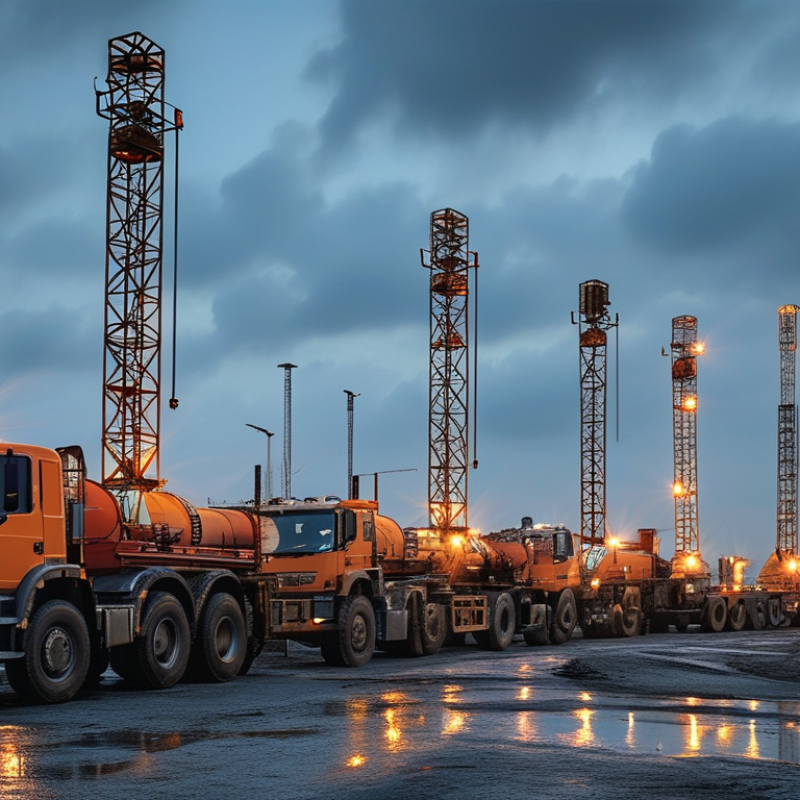
How to Choose the Best Diesel Light Tower for Your Needs?
When it comes to choosing the right Diesel Light Tower, various factors come into play. A Diesel Light Tower provides illumination in construction zones, events, and emergency situations. Its reliability and performance are key when selecting the best unit for your needs.
Consider the power output, as it directly affects brightness and coverage. A tower that is too weak may leave areas in darkness. Additionally, analyze fuel efficiency. Frequent refueling can be a hassle, especially for extended use.
Understand your specific lighting requirements. Not all Diesel Light Towers are created equal. Some models offer advanced features like adjustable lighting and extended runtimes. Evaluate the durability of the unit, as harsh weather conditions might impact functionality. Taking these factors into account will lead to a more informed decision.
Factors to Consider When Choosing a Diesel Light Tower
When selecting a diesel light tower, several key factors demand attention. Brightness is paramount. Assess the lumen output to ensure sufficient illumination for your specific task. A tower with adjustable lighting options can be beneficial, allowing flexibility based on the job’s requirements. Portability is another critical aspect. A lighter, more compact unit not only simplifies transport but can also increase efficiency on job sites.
Fuel efficiency plays a significant role in long-term operational costs. Investigate the engine specifications and running time on a single tank. A tower with a long runtime reduces the frequency of fuel stops, enhancing productivity. Noise levels are worth considering as well. A quieter unit can create a more pleasant working environment, especially in noise-sensitive areas.
Finally, evaluate maintenance needs. Easy access to parts and straightforward service protocols can prevent downtime. While it’s tempting to choose based on initial cost, reflect on ongoing expenses and longevity. A low upfront price may lead to higher costs down the line. Balancing these various factors will help you find a light tower that genuinely meets your needs.
Understanding Your Specific Lighting Needs and Requirements
Understanding your specific lighting needs is crucial when selecting a diesel light tower. Consider the area you need to illuminate. A large construction site requires a different approach than a small outdoor event. The type of activities occurring at the location also matters. Are you hosting a concert or performing routine maintenance?
Next, think about the power requirements. Some tasks need bright, focused lighting. Others may benefit from softer, more diffuse light. The quality of light can affect visibility and safety. It's not just about having enough light; it's about the right type.
Lastly, consider the portability and runtime of the light tower. A unit that easily moves to different sites is more versatile. Keep in mind that a diesel tower typically runs longer than electric options. Assess these factors thoroughly. Reflecting on your specific needs will guide you to the best choice, preventing oversights that could hinder your project's success.
Evaluating Power and Fuel Efficiency of Diesel Light Towers
When assessing diesel light towers, power and fuel efficiency are critical factors. Understanding your lighting needs helps in making a well-informed choice. For instance, a construction site may require higher lumen output compared to an outdoor event. Evaluating the wattage of the tower can provide insights into its capabilities. Higher wattage often means more intense light. However, you may also face increased fuel consumption.
Fuel efficiency is equally important. A more efficient diesel light tower will consume less fuel over time. This can lead to significant cost savings, especially for long-term projects. Look for models that optimize fuel usage without compromising light quality. However, many manufacturers claim fuel efficiency. Not all claims are validated, and it's crucial to research user feedback and case studies to draw genuine conclusions.
There can also be trade-offs. A light tower with higher power may not always be the most fuel-efficient option. Some models that offer great fuel savings may not provide enough brightness. Reflecting on your specific requirements is necessary. Assessing various options against your priorities allows you to make a balanced decision concerning efficiency and power.
Assessing Portability and Setup Features for Job Site Use
When selecting a diesel light tower, consider its portability and setup features. Portability is crucial, especially for job site use. A lightweight, compact design allows for easy transport. Look for built-in wheels or frames that simplify movement. This ensures quick deployment, particularly in changing work environments.
The setup process can significantly impact productivity. Some models feature an automated setup, requiring minimal manual effort. Others may need more time and labor, which can be a drawback. Assess how quickly you can position the tower and direct light where it’s needed. Also, check if the components are user-friendly. Intuitive designs can reduce the learning curve for operators.
Not all models fit every site. For example, a larger tower may offer more light but can be cumbersome. This could lead to frustration on tight job sites. Reflect on your typical working conditions. Are you often moving between locations? Do you have a team that can assist with heavier equipment? Answering these questions can guide your choice, ensuring that you select a model aligned with your specific needs.
Analyzing Safety Features and Durability of Light Towers
When selecting a diesel light tower, safety features should be a significant consideration. A robust tower should have stable bases and secure stabilizers to prevent tipping in high winds. Look for models with built-in safety alerts for fuel levels and overheating. These features can prevent accidents and ensure seamless operation in demanding environments.
Durability is equally crucial for light towers. Choose lights made from weather-resistant materials. This ensures that they withstand harsh conditions, whether it's rain, snow, or dust storms. Pay attention to the quality of the bulbs and their expected lifespan. LED lights offer long-lasting brightness, reducing maintenance needs. However, assess if they perform well in extreme temperatures. Remember, a great product should endure the elements without frequent replacements.
It's important to reflect on your specific needs. What are the typical conditions you'll face? Are you working in isolated areas? These considerations will guide you in finding a light tower that truly fits your requirements. Being mindful of these factors can make a significant difference in your operations.