What is Cold Rolled Coil and its Applications?
In the world of manufacturing, understanding "Cold Rolled Coil" is crucial. This material plays a vital role across various industries. John Smith, a leading expert in steel products, emphasizes its importance: "Cold Rolled Coil offers precision and strength essential for modern applications."
Cold Rolled Coil is produced by rolling steel at room temperature. This process enhances its mechanical properties, making it suitable for intricate designs. Automobiles, appliances, and construction all benefit from its durability and finish. However, the choice of Cold Rolled Coil is not always straightforward.
Not all Cold Rolled Coils are created equal. Variations in thickness and finish can lead to challenges. It's essential for manufacturers to select the right specifications. This can impact the final product’s quality significantly. Understanding these nuances is crucial for industry players. Engaging with experts and training staff on this topic can aid in making better decisions.
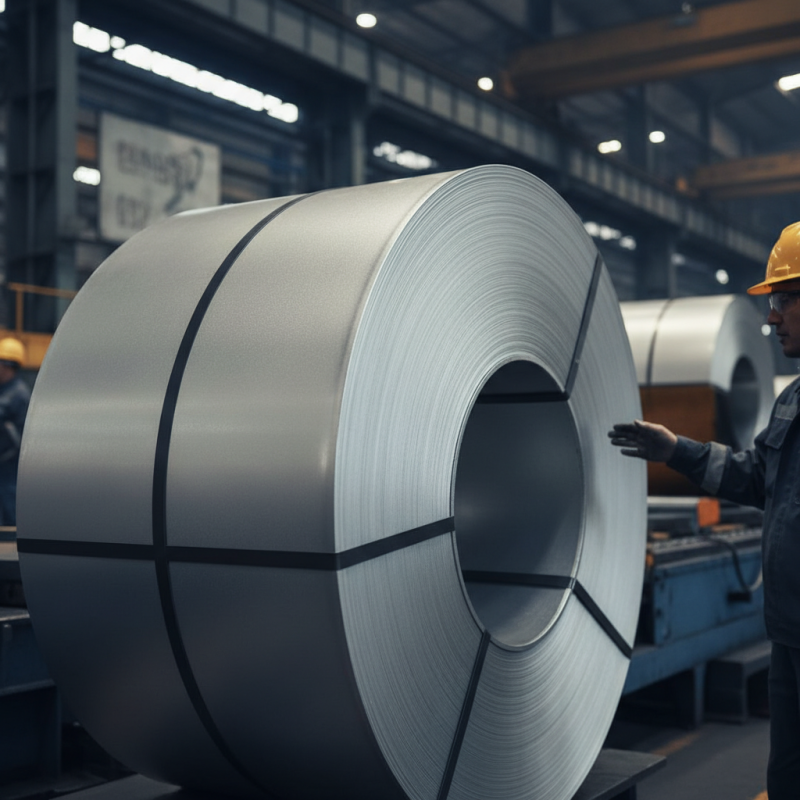
What is Cold Rolled Coil: Definition and Manufacturing Process
Cold rolled coil is a product resulting from the steel manufacturing process. It involves taking hot rolled steel and reducing its thickness through a series of rollers at room temperature. This method enhances the material's strength and surface finish. During this phase, the steel becomes more precise in thickness. The process often includes annealing, which can improve its ductility.
The manufacturing process is critical. Steel is first heated before it is rolled. This step is essential for easier shaping. After rolling, the coil is cooled and processed through various treatments. These might involve pickling to remove surface impurities. The result is a smooth, high-quality surface ready for further applications. However, inconsistencies may arise during this process. Rolls can sometimes produce uneven thickness or surface defects, requiring close monitoring.
The applications of cold rolled coil are vast. It is commonly used in automotive parts, appliances, and furniture. It provides strength and durability in these items. Yet, designers sometimes face challenges in ensuring a perfect finish. Scratches or blemishes on the surface can affect the final product's appeal. This warranty for quality needs constant attention in the manufacturing phase.
Key Properties of Cold Rolled Coil: Strength, Thickness, and Finish
Cold rolled coil (CRC) is a widely used material in various industries. Its properties significantly impact performance and applications. Strength is essential when using CRC. Reports show that cold rolled steel can achieve tensile strengths up to 500 MPa. This durability makes it suitable for structural components, automotive parts, and appliances. Engineers value CRC for its ability to withstand stress while maintaining form.
Thickness plays a crucial role, too. Cold rolled coils typically range from 0.1 mm to 3 mm. This thin profile is ideal for applications that require precision and weight savings. A study indicates that around 60% of cold rolled steel is used in the automotive sector. Manufacturers often prefer thinner gauges for their lightweight vehicles. However, achieving the right thickness consistently can pose challenges.
Surface finish is another important factor. Cold rolled coils usually exhibit excellent surface quality, which is vital for aesthetics and paint adhesion. A smooth finish can enhance resistance to corrosion, extending the life of the product. While many manufacturers strive for perfection, inconsistencies in finish occasionally occur due to setup errors in processing. This highlights the need for continuous improvement in manufacturing practices.
Common Applications of Cold Rolled Coil in Various Industries
Cold rolled coil (CRC) is a type of steel sheet produced through a cold rolling process. This method improves strength and surface quality. In various industries, CRC plays a crucial role in construction, automotive, and appliance manufacturing.
In the automotive industry, CRC is used for body panels and structural components. According to a 2022 industry report, the demand for cold rolled steel in automotive applications is projected to reach 25 million tons by 2025. This reflects a growing reliance on lightweight materials that enhance fuel efficiency. However, the challenges of sourcing high-quality CRC can impact production timelines.
The appliance industry also heavily utilizes CRC for products like refrigerators and washing machines. Insights from industry experts show that around 30% of appliance manufacturing relies on cold rolled steel. This reliance poses a concern for manufacturers facing supply chain disruptions. Time-sensitive projects may suffer delays as the market adjusts to fluctuating prices.
Despite its advantages, cold rolled coil has its drawbacks. Some manufacturers report issues with paint adhesion due to surface imperfections. Continuous improvement in the CRC production process is vital. Ensuring consistent quality and reducing variations can enhance its appeal across sectors. These challenges provide an opportunity for innovation and progress in the industry.
Market Trends and Demand for Cold Rolled Coil: 2023 Insights
Cold rolled coil (CRC) is a steel product made through a process that enhances its surface quality. In recent years, the demand for CRC has seen a notable rise. Market trends indicate that various sectors are seeking thinner and more precise material. Industries like automotive and construction are primary consumers. They require this product for its strength and versatility.
Looking at 2023, several factors influence the market. Sustainability is a growing concern. Many companies are prioritizing eco-friendly materials. This shift impacts CRC production and sourcing. The trend towards lightweight vehicles aims to improve fuel efficiency. CRC is essential in achieving this objective. Additionally, global steel prices fluctuate, which can affect availability. Understanding these fluctuations is crucial for businesses.
Responses from industries suggest a mixed outlook. While some report increased orders, others face challenges. Supply chain issues persist in many regions. This creates uncertainty in delivery schedules. Companies are urged to adapt and rethink strategies in these changing conditions. As demand continues to evolve, so must the manufacturing approaches. The future of cold rolled coil is promising, but complexities remain.
Comparative Analysis: Cold Rolled Coil vs. Hot Rolled Coil
Cold rolled coil and hot rolled coil are two popular steel products, each with its own characteristics. Cold rolled coil undergoes a specific manufacturing process. It is rolled at room temperature, resulting in a smooth finish and tighter tolerances. This makes it an ideal choice for applications that require precision and aesthetics, such as automotive parts and appliances.
On the other hand, hot rolled coil is created at higher temperatures. This process allows for easier shaping and forming. However, the finishing is rougher, often resulting in higher tolerances. Industries often choose hot rolled coils for structural applications, where aesthetics are less critical.
Some workers might view cold rolled coils as superior due to their smooth surface and uniformity. Yet, each has its pros and cons. Hot rolled coil can be more economical and easier to fabricate. Users should carefully assess their project needs, considering factors like cost and finish quality, to find the right steel solution.


