Choosing a Condensate Pump manufacturer involves more than comparing catalog prices. The right unit must handle the condensate’s temperature, flow rate, discharge head, and operating cycle. In a boiler room, a pump may face hot return water, limited floor space, and frequent starts. Small details matter. Seal design, tank capacity, motor protection, and control options can affect maintenance and operating life. This overview introduces ten manufacturers in China and the types of information buyers should review before contacting them.
The companies are presented as a starting point for supplier research, not as a definitive ranking or endorsement. Product ranges and specifications can change, so confirm current data directly with each manufacturer. Compare published pump curves, wetted materials, connection sizes, warranty terms, and available technical support. Ask for documentation suited to your operating conditions. A polished product page alone is not enough. Some information may be difficult to compare across suppliers, and that deserves attention rather than guesswork. Buyers should also check whether a proposed model fits the actual system, including peak condensate return and installation constraints. Careful verification helps turn a broad shortlist into a practical procurement decision.
Condensate pumps remove water produced by air-conditioning units, refrigeration systems, steam equipment, and industrial heat exchangers. Without proper drainage, standing condensate can damage insulation, trigger corrosion, and create slippery floors. Small HVAC systems often use compact centrifugal pumps with float controls. Larger installations may require positive displacement or receiver-based pumps for higher lift and continuous duty.
The pump must match the condensate temperature, flow rate, vertical lift, and drainage distance. A unit rated for 10 liters per minute may struggle when the discharge pipe rises several meters. Check valve quality also matters. Poor sealing can cause repeated cycling and return water to the collection tray. In boiler rooms, heat-resistant materials and reliable motor protection deserve close attention. Some condensate contains treatment chemicals, so compatibility should be verified rather than assumed.
Field maintenance usually starts with cleaning the inlet screen, testing the float, and inspecting the discharge line for scale. Listen for rattling or delayed starting. These signs often appear before complete failure. A catalog rating can mislead.
Installation mistakes remain common. An undersized pipe, sharp bend, or poorly positioned sensor can reduce performance, even with a well-built pump. Selection should follow measured site conditions, manufacturer test data, and the equipment’s actual duty cycle. The cheapest option is not always economical.
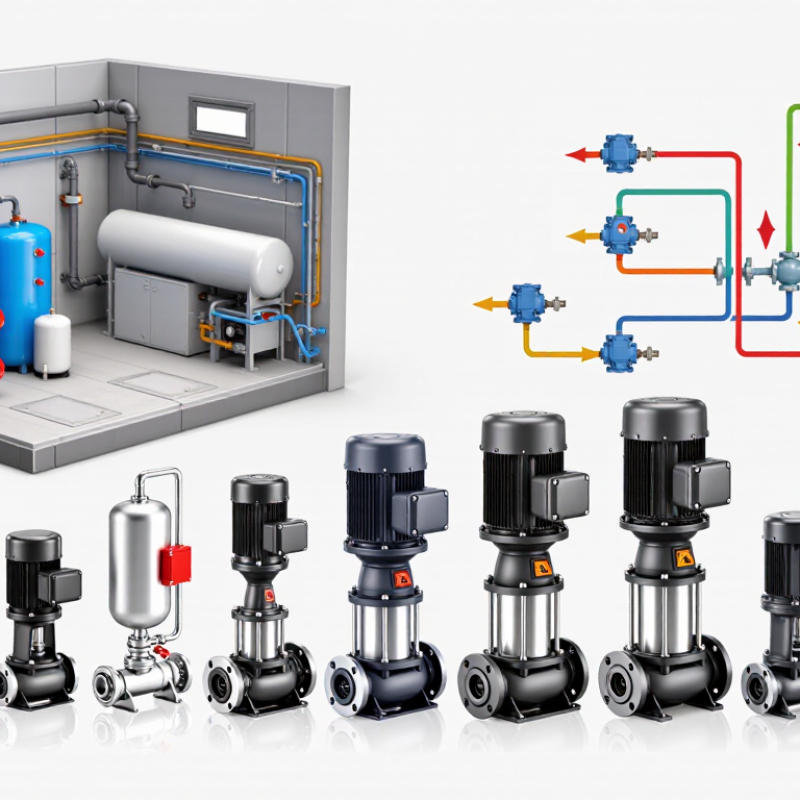
Representative condensate pump types and configurations, with their functions and common applications. This table compares equipment categories, not individual manufacturers.
| No. | Pump Type or Configuration | Main Function | Typical Applications | Key Selection Considerations |
|---|---|---|---|---|
| 1 | Receiver-mounted centrifugal condensate unit | Collects condensate in a receiver and pumps it back to a boiler feed tank or return line. | Steam-heated buildings, laundries, and light industrial systems. | Check condensate temperature, receiver capacity, required flow, and total pump head. |
| 2 | Duplex condensate return package | Uses two pumps, typically controlled to alternate operation and provide standby capacity. | Facilities where condensate return is important for continuous operation, such as hospitals and large buildings. | Review lead-lag controls, alarm provisions, peak inflow, and whether both pumps can meet the required duty. |
| 3 | Vertical multistage centrifugal pump | Develops higher discharge pressure using multiple impeller stages in a compact footprint. | Condensate transfer to elevated or pressurized return systems and boiler feed arrangements. | Confirm temperature and pressure limits, minimum inlet pressure, materials, and operating point. |
| 4 | Horizontal multistage centrifugal pump | Provides relatively high head for condensate transfer through longer or more restrictive piping systems. | Industrial plants and central steam systems with substantial return-line pressure requirements. | Assess suction conditions, hot-water suitability, seal arrangement, and maintenance access. |
| 5 | Vertical inline centrifugal pump | Moves condensate through an in-line piping arrangement while reducing floor-space requirements. | Mechanical rooms and plant areas where a compact, fixed installation is preferred. | Check pipe loads, available head, temperature rating, and whether the system provides adequate suction pressure. |
| 6 | End-suction centrifugal pump | Transfers collected condensate using a horizontally arranged pump with an axial inlet and radial discharge. | General-purpose condensate transfer where the layout allows a horizontal pump installation. | Match the pump curve to system duty and verify NPSH requirements, seal materials, and condensate temperature. |
| 7 | Vacuum condensate return unit | Collects and returns condensate from systems operating under vacuum; package design may include a receiver and vacuum equipment. | Low-pressure steam heating systems and applications where vacuum-assisted condensate removal is specified. | Confirm system pressure range, air-handling requirements, receiver arrangement, and controls. |
| 8 | Mechanical pressure-powered pump | Uses motive steam or compressed gas, rather than an electric motor, to discharge collected liquid. | Steam systems where electrical power is unavailable or where condensate must be moved under particular pressure conditions. | Verify motive pressure, backpressure, cycle capacity, venting, and suitability for the condensate return layout. |
| 9 | HVAC equipment condensate lift pump | Lifts low-temperature condensate from an air-conditioning or refrigeration drain pan to a suitable drain. | Fan-coil units, air handlers, and other HVAC equipment installed without gravity drainage. | Consider lift height, flow rate, reservoir capacity, float-switch control, and overflow protection. |
| 10 | Boiler condensate recovery package | Collects and returns condensate to a feedwater or recovery system to conserve water and recover usable heat. | Boiler houses, process plants, and facilities with multiple condensate sources. | Consider condensate quality, flash-steam handling, tank sizing, flow variation, and boiler-feed system requirements. |