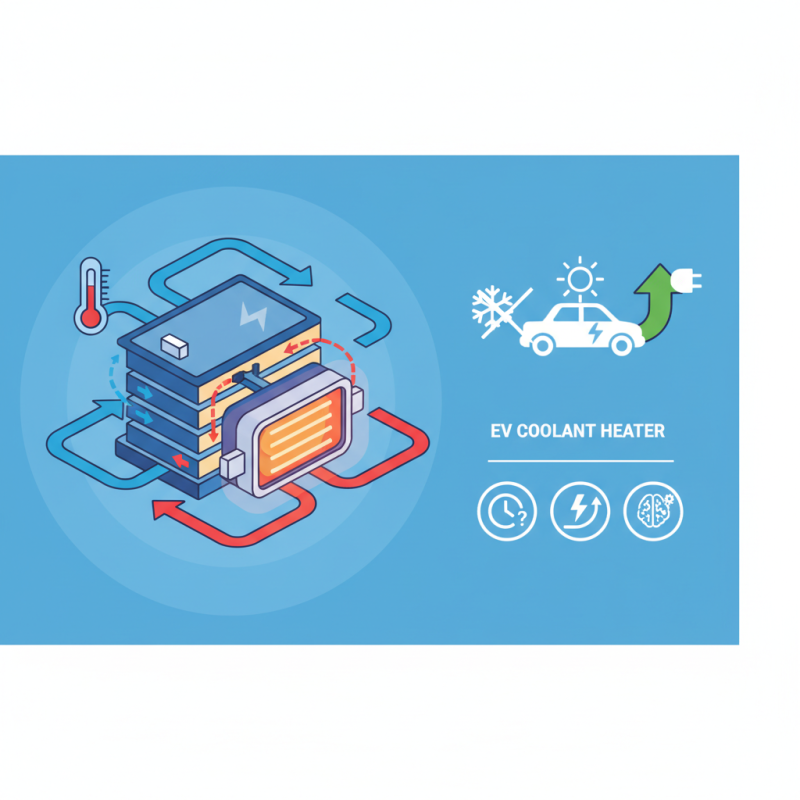
What is Ev Coolant Heater and How Does It Work?
Electric vehicles (EVs) are changing the automotive industry. However, cold weather challenges their performance. One solution is the Ev Coolant Heater. This technology plays a crucial role in keeping batteries efficient.
The EV Coolant Heater warms the coolant used in the battery. It helps maintain optimal temperatures. This process ensures that EVs operate smoothly in winter. When temperatures drop, battery efficiency decreases. Without proper heating, range could diminish significantly.
Despite its benefits, the EV Coolant Heater requires careful consideration. How often should it be used? Is it energy-efficient? Many users wonder about these aspects. By understanding the mechanics behind EV Coolant Heaters, drivers can make informed decisions. This knowledge can lead to better performance and longer battery life during colder months.
What is an EV Coolant Heater?
An EV coolant heater is an essential component in electric vehicles. It helps maintain the optimal temperature for the battery and other systems. When temperatures drop, the heater activates to ensure efficiency. This process is vital for performance and longevity.
Coolant heaters circulate a heated liquid through the battery pack. This prevents the battery from becoming too cold. A warmer battery increases efficiency and range. When the weather is chilly, drivers benefit from a quick response. It’s as if the vehicle is ready to go right away.
Tip: Regular maintenance of the coolant system can extend the heater’s life. Check coolant levels periodically to avoid issues.
Understanding this technology is important. Not all vehicles utilize coolant heaters effectively. Some may have inefficiencies that affect performance. Take notice and do research if needed.
Tip: When buying an electric vehicle, ask about the heating system. Understanding how it works can help make informed decisions.
The Importance of EV Coolant Heaters in Electric Vehicles
Electric vehicles (EVs) rely heavily on efficient thermal management. This is where EV coolant heaters become crucial. These heaters ensure that the battery system operates within the ideal temperature range. Research indicates that optimal battery temperature can improve performance by up to 30%. Maintaining proper temperatures can also extend the lifespan of the battery by several years.
During cold weather, the efficiency of an EV can be significantly affected. This is because batteries lose capacity when it's cold. A study found that EV range can drop by as much as 40% in freezing conditions. An EV coolant heater mitigates this issue, ensuring the vehicle is ready to perform. Drivers need to understand that investing in efficient heating systems can have a direct impact on both performance and safety.
However, there are challenges. Current technologies might not be adequate for all climate conditions. Some users report longer warm-up times in extreme cold. This can lead to increased energy consumption, impacting the overall range. Ongoing research seeks to enhance these heaters, making them more efficient and responsive. The innovation in EV coolant heating systems is essential for the future of electric mobility.
How EV Coolant Heaters Function: A Step-by-Step Breakdown
EV coolant heaters play a vital role in electric vehicles. They ensure efficient temperature regulation of the battery. This is crucial, especially in colder climates. A good coolant heater enhances vehicle performance. Enhanced performance leads to longer ranges.
How do these heaters function? The process begins with electricity flowing through the heating element. This element warms up the coolant. The heated coolant then circulates through the battery pack. This maintains an optimal operating temperature. According to industry data, proper thermal management can improve battery efficiency by up to 30%.
Tips: Regular maintenance of the coolant system is essential. Check for leaks and ensure proper insulation. This can prevent unwanted heat loss during operation. Additionally, understanding ambient temperature effects can help you plan trips better. These heaters may not always work optimally below freezing temperatures. It’s worth considering these factors for efficient energy use.
Advantages of Using EV Coolant Heaters for Efficient Performance
Electric vehicles (EVs) are gaining popularity due to their efficiency and performance. One key component supporting this is the EV coolant heater. It helps maintain optimal battery temperatures, especially in colder climates. According to a study by the International Energy Agency, EVs can lose up to 40% of their range in icy conditions. This makes efficient heating crucial for performance.
Using EV coolant heaters provides several advantages. They enable faster cabin warming and enhance battery longevity. Data from the U.S. Department of Energy indicates that maintaining battery temperature between 20°C to 30°C can improve overall efficiency by 15%. This is vital for maximizing driving range. In addition, these heaters minimize energy waste, which can lead to longer driving distances on a single charge.
However, some users have reported issues with system responsiveness. Delays in operation can occur, particularly in severely cold weather. Maintenance is also a concern; blockages in the coolant system can diminish performance. Regular checks are essential to ensure optimal function. These factors highlight the need for thoughtful consideration when implementing EV coolant heaters.
Advantages of Using EV Coolant Heaters
Common Applications and Integration of EV Coolant Heaters in EVs
EV coolant heaters play a crucial role in electric vehicles. They help maintain battery temperature and efficiency. In cold climates, these heaters ensure optimal performance. The global EV market is rapidly expanding, with an estimated growth rate of 26% annually through 2026, according to industry reports.
Common applications include heating the cabin and preconditioning the battery. By using coolant heaters, EVs can achieve faster warm-up times. This technology directly impacts range and comfort. Downsizing can lead to space-saving benefits, yet it may raise concerns over performance consistency.
Integration with thermal management systems remains an essential consideration. It allows for better energy efficiency. However, achieving perfect balance is a challenge. A miscalculation could lead to overheating or energy waste. Addressing these issues is vital for the industry’s emphasis on sustainability. As EVs continue to evolve, the effectiveness of coolant heaters will also need to improve.