Gasoline Parking Heater Tips for Better Performance and Efficiency?
Gasoline Parking Heaters are an essential tool for many vehicle owners, especially in colder climates. These heaters provide a warm interior while reducing engine wear, making winter driving more enjoyable. However, like any equipment, they require proper attention to function effectively.
Understanding how to optimize the performance of gasoline parking heaters can lead to significant benefits. Small adjustments can make a noticeable difference. For instance, maintaining clean fuel filters helps ensure smooth operation. Additionally, regular checks on hoses and connections can prevent unexpected failures. The goal is to maximize efficiency while minimizing breakdowns.
Despite advancements in technology, issues can still arise. Users often overlook simple maintenance tasks. This oversight can lead to decreased performance and efficiency. Reflecting on these details can improve the overall experience with gasoline parking heaters. A little attention goes a long way in ensuring reliability during those cold mornings.
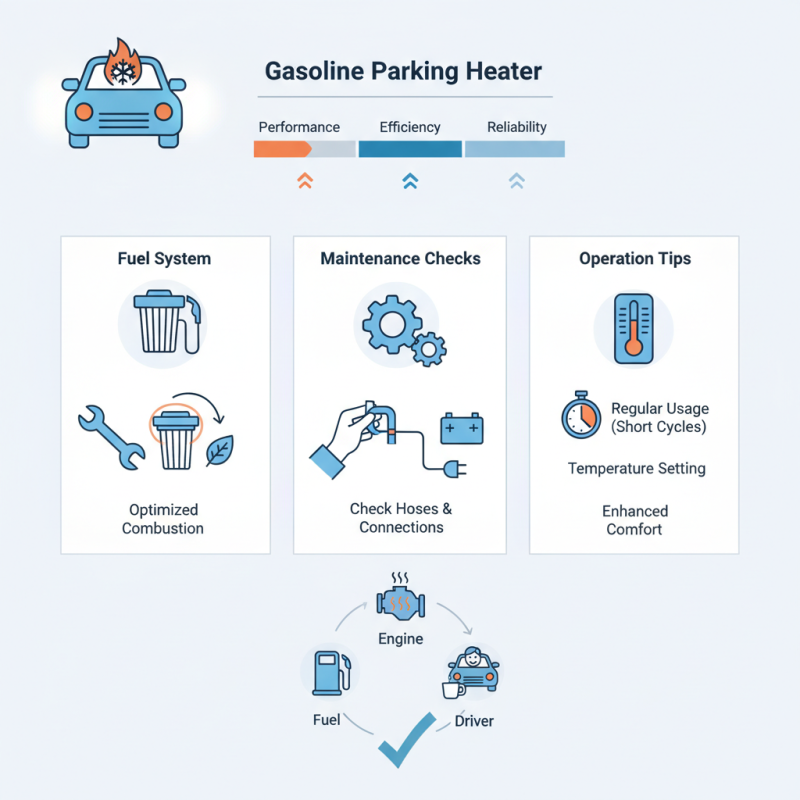
Understanding How Gasoline Parking Heaters Work for Optimal Use
Gasoline parking heaters are great for keeping your vehicle warm in cold weather. These heaters operate by burning gasoline to create heat. This energy is distributed throughout the vehicle's interior. Understanding their operation can lead to better performance and efficiency.
One common issue is improper installation. If not set up correctly, the heater may not work effectively. Regular maintenance is also essential. Clogged fuel lines or filters can limit airflow. A simple check can prevent larger problems later. Ensure that the exhaust is free from blockages to avoid risks.
Another point of reflection is fuel quality. Using low-quality gasoline can affect the heater's efficiency. Poor fuel can lead to carbon buildup, which hinders performance. It’s also wise to watch for signs of wear, such as unusual noises. Not addressing these can lead to costly fixes. Regular inspections promote a longer lifespan and optimal heating performance.
Essential Maintenance Tips for Enhancing Heater Performance
Maintaining a gasoline parking heater is crucial for optimal performance. Regular inspections can prevent surprising breakdowns. Check the filters every few weeks, cleaning or replacing them as needed. Dirty filters can lead to inefficient heating. If you notice unusual noises, address them early. Ignoring these sounds can result in more serious issues.
Fuel quality matters too. Use clean, high-quality fuel to avoid combustion problems. Water or contaminants in gasoline can cause the heater to misfire. Monitor fuel levels and top up regularly. An empty tank can harm the heater’s components.
Inspect and clean the exhaust system periodically. A blocked exhaust can reduce efficiency and increase safety risks. Regular maintenance helps ensure longevity. Pay attention to how the heater performs in different conditions. Changes in performance signal a need for further inspection. Strive to create a routine that works best for you. Regular care makes the heater more reliable and efficient.
Choosing the Right Fuel Type for Improved Efficiency
Choosing the right fuel type for your gasoline parking heater is crucial. It can significantly impact efficiency and performance. Regular gasoline is common, but it may not always be the best choice. Alternative options like kerosene can burn cleaner and offer better heating efficiency.
Consider environmental factors when selecting fuel. Some fuels produce more emissions than others. This not only affects the heater's efficiency but also impacts air quality. A cleaner-burning fuel might help reduce your carbon footprint, even if it costs a bit more. Keep in mind that not all fuels are available everywhere.
Testing different fuel types may lead to unexpected results. You might find that a less conventional option works better for you. Be prepared for some trial and error. Pay attention to how your heater performs with each type. Notice any changes in warmth or fuel consumption. This will help you make informed choices in the future.
Gasoline Parking Heater Performance Efficiency Comparison
This chart compares the performance efficiency of gasoline parking heaters using different fuel types. As seen, premium fuel provides the highest efficiency, while low-quality fuel results in significantly lower performance.
Strategies for Effective Placement of Parking Heaters
When installing a gasoline parking heater, placement is crucial for optimal performance. The heater should be placed near the vehicle’s engine. This will allow heat to circulate effectively, warming the engine faster. Avoid positioning the heater too close to any flammable materials. Safety is key here.
Consider the vehicle's layout. A parking heater positioned ideally can enhance efficiency. Ensure that exhaust gases can escape easily to prevent any buildup. Poor placement can lead to reduced efficiency and safety hazards. It requires thought and planning.
Tips to remember: Check the heater's venting regularly. Blockages can hamper performance. Keep the heater clean to improve airflow. A clean system works more efficiently. Sometimes, users neglect this part, assuming all will work fine. Regular maintenance is not just advisable; it's necessary. Your heater must perform optimally, especially in harsh climates.
Common Issues and Troubleshooting for Parking Heater Users
Parking heaters can enhance comfort, but users may face common issues. One frequent problem is inconsistent heating. This may stem from a clogged fuel line or filter. Regular maintenance is crucial. Checking and replacing filters can improve airflow. Cleaning the fuel line ensures a steady supply of gasoline.
Another issue is difficulty in starting the heater. Users often find that extreme cold can affect performance. Make sure the battery is fully charged. Weak batteries can hinder the ignition process. It’s advisable to check battery connections regularly.
Lastly, unusual noises during operation can signify problems. A rattling sound might indicate loose parts. This can lead to more severe issues if ignored. Regular inspection and tightening of components can help maintain smooth operation. Keeping a close watch can save time and issues later.
Gasoline Parking Heater Tips for Better Performance and Efficiency
| Issue | Symptoms | Potential Causes | Troubleshooting Solutions |
| Heater Won't Start | No ignition, no sounds | Power supply issue, fuel shortage, or faulty control unit | Check power connections and fuses; ensure fuel is available; inspect the control unit |
| Intermittent Operation | Heater starts and stops | Overheating, incorrect fuel type, or air blockage | Clean air intakes; verify fuel type matches specifications; inspect for blockages |
| Poor Heating Performance | Insufficient heat, longer heating time | Clogged combustion chamber, low fuel flow, or ignition issues | Perform regular maintenance; clean the combustion chamber; check fuel delivery system |
| Excessive Smoke | Visible smoke or odor | Incomplete combustion or wrong fuel usage | Inspect fuel quality; check for proper operation of the heating element |
| Fuel Odor | Noticeable fuel smell | Leaking fuel lines or loose fittings | Inspect fuel lines for leaks; tighten fittings |


