What is a High Speed Inspection Machine and How Does It Work?
The High Speed Inspection Machine plays a crucial role in modern manufacturing. It ensures quality and precision during production processes. These machines operate at rapid speeds, reducing inspection time significantly. They check for defects, irregularities, and non-conformities in products.
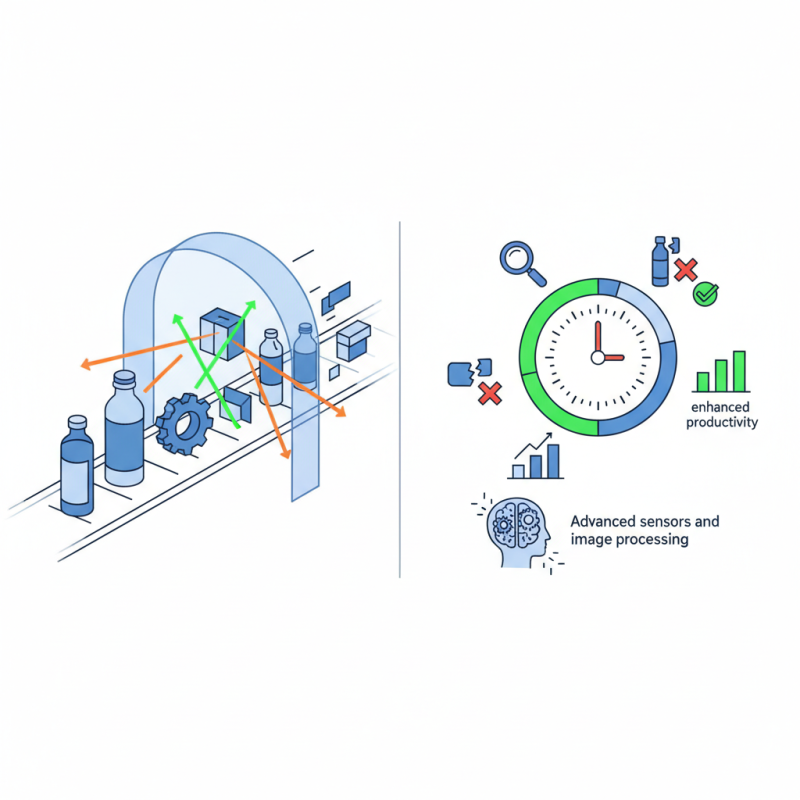
In fast-paced industries, efficiency is critical. A High Speed Inspection Machine can handle thousands of items per hour. This capability enhances productivity. However, it's essential to balance speed with accuracy. Mistakes can happen if the machine operates too quickly. Operators must remain vigilant and monitor the outcomes closely.
This technology relies on advanced sensors and image processing. They detect flaws in real-time. Nevertheless, machines are not infallible. Occasionally, false positives or negatives occur. Understanding the limitations of a High Speed Inspection Machine is vital for manufacturers. Continuous improvement and training are necessary to ensure optimal performance.
What is a High Speed Inspection Machine?
A High Speed Inspection Machine (HSIM) is a critical tool in modern manufacturing. It quickly checks products for defects, ensuring quality control. The technology is essential in industries like pharmaceuticals, food packaging, and electronics. According to a recent industry report, 80% of manufacturers see improved efficiency with HSIM.
These machines use advanced imaging systems. High-speed cameras and sensors scan products at rapid rates. They can inspect thousands of items per minute. This not only enhances speed but also accuracy. A study indicated that HSIM can reduce human error by up to 50%. However, these machines require regular maintenance. If not properly calibrated, they can generate false positives or miss defects.
Implementing HSIM can be complex. Training staff is vital for success. While the initial investment might be high, the long-term benefits often outweigh costs. In some cases, companies report payback within a year. Nonetheless, organizations need to continuously evaluate the technology's effectiveness. As industries evolve, ongoing adjustments will be necessary.
Key Components of High Speed Inspection Machines
High-speed inspection machines are crucial in various industries. They ensure products meet standards efficiently. Understanding their key components can help grasp their functionality.
One main part is the conveyor system. It moves items quickly through the inspection zone. Sensors detect any flaws or deviations. Another key component is the imaging system. High-resolution cameras capture details of each product. This allows for precise inspections.
Software is the brains of the operation. It analyzes data in real-time, flagging issues immediately. Operators can see results instantly, which speeds up the process. However, it's worth noting that not all inspection machines are perfect. Occasionally, they may miss subtle defects. Continuous improvement is essential in these systems. Regular updates and maintenance can enhance their performance significantly.
High Speed Inspection Machine Efficiency
Principles of Operation for High Speed Inspection Machines
High-speed inspection machines are pivotal in quality control. They employ various technologies to ensure products meet standards. These machines operate on several key principles, primarily focusing on speed and accuracy. Utilizing advanced imaging and laser techniques, they inspect products rapidly. Many machines can process thousands of items every minute.
The operation begins with the product entering the inspection zone. High-resolution cameras capture images at high speed. These images are analyzed in real-time. Algorithms identify defects through data patterns. Sometimes, the system struggles with unusual shapes or colors. This can lead to missed defects or false positives. Continuous adjustments are necessary to maintain accuracy.
Light and sound waves often play crucial roles. Light-based sensors detect surface flaws. Meanwhile, ultrasonic sensors assess internal quality. However, there can be challenges in operator training. Not all personnel grasp the machine’s operations thoroughly. Any gaps in knowledge could affect performance and quality assurance processes.
Applications of High Speed Inspection Machines in Industry
High-speed inspection machines are pivotal in various industries. They enhance quality control by quickly identifying defects. Manufacturers in the food sector, for instance, leverage these machines to ensure product safety. A report from the Food and Drug Administration indicates that approximately 48 million Americans suffer from foodborne illnesses each year. This alarming statistic emphasizes the need for stringent inspection processes.
In pharmaceuticals, these machines accurately detect foreign substances in drugs. Research from the International Society for Pharmaceutical Engineering highlights that improper inspections can lead to up to 30% of drug recalls. High-speed machines can reduce this risk significantly. However, integration is not without challenges. Workers need specialized training, and initial costs can be high.
Moreover, industries face technological limitations. Some machines struggle with certain product types or complex packaging. A study by the Association for Automatic Identification and Mobility indicates that up to 20% of high-speed inspections may yield false positives. This can disrupt production lines and create waste. Continuous improvement is essential, ensuring that inspections remain efficient and reliable.
Benefits of Using High Speed Inspection Machines in Quality Control
High-speed inspection machines are crucial in modern quality control processes. They can rapidly detect defects, ensuring products meet high standards. The speed at which they operate allows for real-time monitoring. This means potential issues can be addressed immediately.
One significant benefit is increased efficiency. With automated inspections, human error is reduced. These machines can scan and analyze products quickly. However, they might miss subtle defects. Operators must remain vigilant and occasionally verify results manually. The balance between speed and accuracy is delicate but essential in production lines.
Moreover, using high-speed inspection machines can lead to cost savings. By preventing defective products from reaching customers, companies protect their reputation. Yet, reliance on technology might create complacency among workers. They may overlook the importance of their role in the process. Regular training and evaluation are needed to maintain high standards.


