What is Pocket Filter Media and How Does It Work?
pocket filter media plays a crucial role in air purification systems. It is designed to capture airborne particles efficiently. Utilizing this media can enhance indoor air quality significantly.
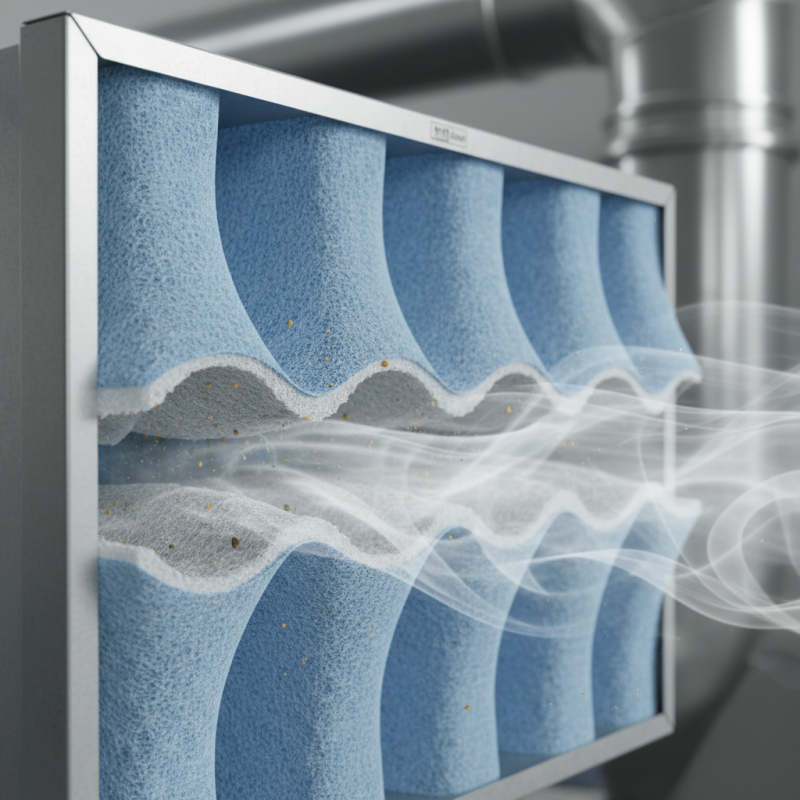
The construction of pocket filter media involves layered materials that trap dust, pollen, and other pollutants. As air flows through the pockets, contaminants are collected. This design increases the surface area, allowing for improved filtration performance.
However, the lifespan of pocket filter media is vital. Regular maintenance is required to ensure optimal function. Ignoring this can lead to reduced airflow and increased energy costs. Reflecting on these aspects is essential for effective air quality management.
What is Pocket Filter Media?
Pocket filter media is a crucial component in air purification systems. Designed in a pocket shape, it provides a larger surface area for trapping particles. This design enhances efficiency, allowing optimal airflow while capturing dust and contaminants. The structure typically consists of synthetic fibers or fiberglass, which contribute to its durability.
These filters come in various sizes and ratings, catering to different environments. In industrial settings, they can capture larger particles. In residential areas, finer particles are targeted. However, some may overlook the importance of regular maintenance. A clogged filter can hinder performance and lead to poor air quality. Users may forget to check replacement schedules, which can result in inefficiency.
While pocket filters are effective, their performance is contingent on the user’s diligence. Placement within the system must be precise, and airflow must remain uninterrupted. Neglecting these factors can diminish effectiveness. Ultimately, understanding pocket filter media is key to maintaining clean air and a healthy environment.
The Composition of Pocket Filter Media
Pocket filter media are essential components in air filtration systems. They are designed to capture airborne particles effectively. The composition of pocket filter media often includes several layers. Each layer serves a specific purpose in enhancing filtration efficiency.
Most commonly, synthetic fibers are used. These fibers are lightweight and durable, allowing for efficient air flow. They can trap particles ranging from dust to pollen. Additionally, some filters incorporate activated carbon. This helps in removing odors and certain gases. The structure of the media often resembles pockets. These pockets increase the surface area for trapping particles.
While pocket filter media are effective, there are limitations. They may not capture ultra-fine particles. This can be a concern in certain environments. Regular maintenance and replacement are required to ensure optimal performance. If neglected, the filters can become less efficient. Understanding these aspects can help users make informed decisions.
How Pocket Filter Media Works in Air Filtration Systems
Pocket filter media plays a crucial role in air filtration systems. It consists of multiple layers designed to capture particulate matter effectively. These filters trap dust, pollen, and other contaminants, improving indoor air quality. They come in various sizes and efficiencies, allowing easy integration into HVAC systems. According to a recent report, high-efficiency pocket filters can capture up to 85% of airborne particles.
Air filtration is essential in buildings to maintain a healthy environment. Pocket filters work by creating a large surface area within a compact design. As air passes through, particles get trapped in the media, preventing them from circulating. This not only enhances air quality but also protects sensitive equipment from potential damage.
Tips for maintaining pocket filter systems: Regularly inspect and replace filters based on usage. Keeping track of airborne pollution levels can help in making timely replacements. Filtration efficiency may decrease over time due to saturation. It's important to monitor filters regularly, even when they appear clean. In addition, consider using a pressure gauge to determine when to replace filters. Proper maintenance ensures optimal performance and prolongs the lifespan of the air filtration system.
What is Pocket Filter Media and How Does It Work?
| Filter Type | Efficiency (%) | Application | Media Material | Maintenance Frequency |
| MERV 8 Pocket Filter | 70-85% | Commercial Buildings | Synthetic Fiber | Every 3 months |
| MERV 11 Pocket Filter | 85-95% | Hospitals & Laboratories | Glass Fiber | Every 6 months |
| MERV 13 Pocket Filter | 90-95% | Residential & Industrial | Polyester | Every 6-12 months |
| HEPA Pocket Filter | 99.97% | Clean Rooms | Fiberglass or Synthetic Media | Annually |
Advantages of Using Pocket Filter Media
Pocket filter media has become a vital component in air filtration systems. These filters are designed to capture particles from the air, improving indoor air quality. One significant advantage of pocket filter media is its high dust-holding capacity. According to industry reports, pocket filters can capture up to 95% of airborne particles. This efficiency makes them an excellent choice for various applications, from commercial buildings to hospitals.
Another notable benefit is their low pressure drop. This ensures that ventilation systems do not have to work harder, saving energy. A study indicated that using pocket filters could reduce energy consumption by up to 30% compared to traditional filters. This not only lowers operational costs but also lessens environmental impact. However, it's crucial to consider the lifespan of these filters. Regular monitoring is needed to ensure they are replaced promptly, as clogged filters can lead to reduced air quality.
Durability is another factor. Pocket filter media is typically robust, designed to withstand high airflows. Reports suggest that these filters can last longer than standard panels. However, relying solely on this could result in oversights. Some users may assume longer life equates to better performance, which isn't always the case. Periodic evaluations are necessary to maintain optimal filtration efficiency.
Applications of Pocket Filter Media in Various Industries
Pocket filter media finds extensive applications across various industries. They are essential in air and liquid filtration processes. In manufacturing, for example, clean air is crucial. Factories use pocket filters to maintain air quality. They capture dust and particles effectively. This minimizes equipment wear and enhances productivity.
In the food industry, pocket filters play a vital role too. They ensure that the air used in food processing is free from contaminants. This helps in maintaining hygiene standards. However, some might argue that not all filters meet the same efficiency. Regular maintenance is necessary to achieve optimal performance. Any neglect can lead to increased downtime and higher costs.
Healthcare facilities benefit from pocket filter media as well. They aid in controlling airborne pathogens. Air quality is particularly important in hospitals. Filters help create a safer environment for patients and staff. Yet, it is essential to choose the right filter type for specific applications. Failing to do so can lead to inadequate filtration. This compromises safety and compliance with health regulations.
Applications of Pocket Filter Media in Various Industries