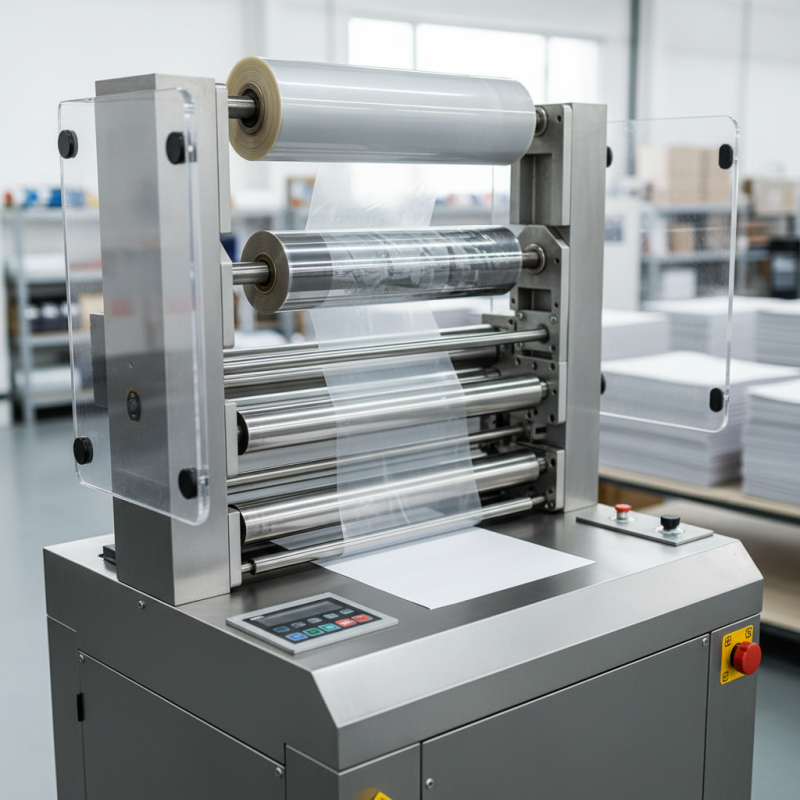
How to Select the Best Roll Lamination Machine for Your Needs?
Choosing the right Roll Lamination Machine is crucial for your business needs. A well-chosen machine can enhance productivity and quality. However, it’s easy to feel overwhelmed by the options available.
Many factors come into play when selecting a Roll Lamination Machine. Consider the materials you will laminate. Different machines handle various thicknesses and types of films. It’s also important to think about the volume of work you expect. High demand means you may need a more robust model.
Sometimes, users overlook specific features that impact usability. For instance, how user-friendly is the control panel? Are there advanced settings that you might need later? Reflecting on these questions ensures your choice meets both current and future demands. A little research can lead to significant benefits.
Understanding Roll Lamination Machines and Their Applications
Roll lamination machines are essential tools in various industries. They offer a way to protect surfaces and enhance durability. These machines are widely used in schools, offices, and businesses. The demand for laminating services has increased, with a growth rate of 8% expected over the next five years, according to industry reports.
Applications of roll lamination machines are diverse. They can laminate documents, posters, and even packaging materials. The process involves heat and pressure to bond the film to the item. It’s crucial to understand the specific needs of your projects. Some machines may not handle thicker materials well. This oversight can lead to inconsistent results.
Choosing the right roll lamination machine means considering your material types and volume. Some machines operate more efficiently than others. However, not all machines are user-friendly. Learning the operational nuances can slow down production. By understanding these aspects, one can avoid costly mistakes. Always think about the compatibility of the machine with your workflow. This detail can significantly impact your project outcomes.
Key Factors to Consider When Selecting a Roll Lamination Machine
When selecting a roll lamination machine, consider several key factors that can influence your final decision. Firstly, the machine's speed and efficiency are crucial. According to industry reports, high-speed machines can finish jobs in less time, dramatically increasing productivity. Machines with a speed of over 50 feet per minute are popular in commercial settings.
Another essential factor is the width of the laminate film. Depending on your project needs, ensure the machine accommodates various film sizes. A machine that supports a wide range can save you both time and money. Evaluate the thickness of materials too; some machines may struggle with thicker films, which could lead to inefficiencies.
**Tip:** Review your typical project requirements. Understanding your volume and material specs can help narrow down your options.
Look for machines that offer ease of use. User-friendly controls can reduce training time and minimize errors. Many reports indicate that an intuitive interface improves operation efficiency. Additionally, consider maintenance needs. A machine requiring frequent repairs can lead to downtime, impacting your workflow.
**Tip:** Research customer reviews and testimonials. Real user experiences often highlight potential flaws that specs don't reveal.
How to Select the Best Roll Lamination Machine for Your Needs? - Key Factors to Consider When Selecting a Roll Lamination Machine
| Feature | Importance Level | Examples |
| Speed | High | Up to 30 feet/min |
| Lamination Width | Medium | 12", 24", or custom |
| Temperature Control | High | Digital or Manual |
| Thickness of Film | Medium | 1.5 mil to 10 mil |
| Ease of Use | High | User-friendly interface |
| Durability | High | Robust build quality |
| Cost | Medium | $1,000 to $10,000 |
| Support & Service | High | Warranty and customer support |
Types of Roll Lamination Machines Available in the Market
When selecting a roll lamination machine, understanding the types available can greatly aid your decision. There are several key categories to consider. Cold lamination machines are ideal for heat-sensitive materials. These machines use a pressure-only mechanism. They help protect documents without risking damage from heat.
Hot lamination machines operate using heat. This process melts adhesive onto the surface of the material. They create a strong seal and are perfect for long-lasting finishes. However, it’s essential to monitor the temperature carefully. Overheating can lead to bubbles or wrinkling.
Tips: Consider the materials you plan to laminate. If you’re unsure about the heat settings, do some tests before full production. Think about the volume of work. High-demand tasks may require a more robust machine. Check your workspace. Some machines need ample room for operation and cooling. Remember, each machine comes with its strengths and weaknesses. Reflect on how these fit into your unique needs.
Evaluating Technical Specifications for Optimal Performance
Choosing the right roll lamination machine is crucial. Understanding technical specifications helps maximize its performance. Key specifications include laminating speed, temperature control, and film thickness. These factors can make a significant difference in your projects.
Tips: Consider your typical job sizes. A machine with adjustable settings can accommodate various lamination tasks. Pay close attention to the speed. A faster machine may not always be better for all materials.
It's essential to reflect on your production environment. Some machines may require more space and proper ventilation. Also, think about maintenance needs. A machine that's hard to service might lead to downtime, impacting productivity. Evaluating these details can save future headaches.
Budgeting and Cost Considerations for Your Lamination Needs
When selecting a roll lamination machine, budgeting is key. The cost can vary widely. Reports indicate that basic machines start around $1,000. Advanced models can run up to $10,000 or more. Factors such as volume, speed, and durability influence these costs. A high-speed machine may be worth the investment if you have large-scale operations.
Maintenance costs must also be considered. Regular upkeep can add to overall expenses. Industry studies show maintenance can be 10-20% of the initial purchase price annually. It’s crucial to account for these ongoing costs while planning your budget. The long-term value of a machine should be weighed against the initial investment.
Finding the right machine at the best price is challenging. Many buyers feel overwhelmed with options. They often overlook essential features that align with their needs. For instance, some machines are better for specific materials than others. Understanding your requirements can lead to better budgeting decisions.