Choosing among China’s top Oil Transfer Pump manufacturers requires more than comparing catalog prices. A reliable supplier should demonstrate practical experience with diesel, lubricating oil, hydraulic fluid, and other approved industrial liquids. Buyers should examine flow rate, pressure range, viscosity limits, seal materials, motor efficiency, and expected duty cycles. A pump that performs well in a warehouse may fail beside a dusty loading bay or a cold outdoor tank.
Pump engineer and consultant Dr. Lev Nelik offers a useful reminder: “Pump selection is a system decision, not merely a purchase decision.” That principle matters when reviewing Chinese manufacturers. Strong candidates should provide test records, material certificates, traceable serial numbers, clear installation instructions, and responsive technical support. Factory inspection videos help, but they do not replace independent verification or sample testing.
Details reveal quality.
Look for realistic performance curves, not attractive promises. Ask how the Oil Transfer Pump handles dry-run risk, pulsation, temperature changes, and continuous operation. Check whether replacement seals, filters, motors, and controllers remain available after purchase. Certifications should match the intended market and application, with documentation that can be verified.
This guide compares ten manufacturers through engineering capability, product range, customization, quality control, delivery reliability, and after-sales service. It does not assume the cheapest quotation is the best value. That assumption often needs reconsideration. Some suppliers have stronger export records, while others offer better customization for smaller facilities. The right choice depends on the complete pumping system, not the nameplate alone.
What Defines a Reliable Oil Transfer Pump Manufacturer in China?
China’s oil transfer pump sector serves refineries, terminals, workshops, and mobile storage systems. The IEA’s Oil 2024 report projects global oil demand will reach 105.4 million barrels daily by 2030. This demand increases pressure on equipment reliability, especially during continuous transfer operations.
A reliable manufacturer provides tested performance data, not attractive promises. Ask for flow curves based on your actual oil viscosity, temperature, and discharge pressure. NPSH results should be clear. So should seal materials, motor efficiency, and allowable operating limits. API 676 offers useful guidance for rotary positive displacement pump design and testing. ISO 9001 certification can support process control, but it does not guarantee field performance.
Look for traceable material certificates, documented factory acceptance tests, and serial-number records. The U.S. Department of Energy reports that pumping systems can represent significant industrial energy use, making efficiency a practical purchasing concern. A dependable supplier should explain lifecycle costs, spare-part availability, and service response times. Ask for field references from similar oil applications.
Small details matter.
During audits, inspect machining quality, coating thickness, coupling alignment, and packaging protection. A manufacturer may pass a basic pressure test yet lack strong after-sales support. I would not ignore that weakness. Reliability is proven through repeatable testing, honest limits, and useful technical communication. Even experienced buyers can request overly optimistic specifications. That mistake deserves review.
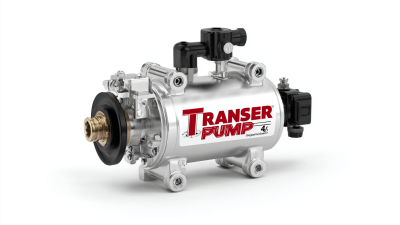
A practical benchmark for evaluating reliable suppliers without comparing individual brands.
Typical oil transfer pump capacities vary by pump design. Gear and vane pumps are commonly selected for controlled transfer and metering, while centrifugal pumps are preferred for higher flow volumes. When comparing manufacturers, verify that the published flow range is supported by material compatibility, efficiency data, quality-control documentation, and performance testing under the required oil viscosity and operating conditions.
China’s oil transfer pump industry is not organized around only ten famous factories. It operates through a layered manufacturing network. Core producers design pumps, motors, seals, and control systems. Smaller workshops often supply castings, shafts, valves, and electrical parts. Industrial clusters near major ports support faster sourcing and export handling. This structure gives buyers many options, but quality can vary between production lines.
Experienced buyers usually examine the factory’s role before comparing prices. Some manufacturers build complete skid systems, while others assemble pumps from externally sourced components. Technical teams may adjust flow rate, viscosity range, inlet size, and safety requirements for each project. Reliable suppliers provide material certificates, pressure-test records, performance curves, and traceable serial numbers. A factory visit can reveal practical details: clean assembly benches, calibrated gauges, and protected seal storage. Still, paperwork alone is not proof. Field performance deserves attention.
Tips: Request a sample test using your actual oil viscosity. Confirm duty cycle, ambient temperature, and hose dimensions. Ask who makes the motor and mechanical seal. Check spare-part availability before signing. Do not select the lowest quote automatically; low-cost seals can create expensive downtime. One weakness remains: some suppliers describe capacity better than they document it. Independent inspection is sensible for large orders.
| Rank | Manufacturer Category | Primary Product Focus | Common Pump Technologies | Typical Flow Range | Typical Pressure Range | Common Materials | Typical Applications |
|---|---|---|---|---|---|---|---|
| 1 | Industrial centrifugal-pump producers | High-volume transfer of diesel, fuel oil and lubricants | End-suction, multistage and process centrifugal pumps | 10–1,500 m³/h | 2–40 bar | Cast iron, ductile iron, carbon steel, stainless steel | Refineries, terminals, tank farms and power plants |
| 2 | Positive-displacement pump specialists | Accurate and stable transfer of viscous oil products | Gear, screw, lobe and vane pumps | 0.1–500 m³/h | 3–100 bar | Cast steel, stainless steel, bronze, hardened alloy steel | Bitumen, heavy fuel oil, lubricating oil and additives |
| 3 | Fuel-dispensing equipment manufacturers | Compact transfer units for retail and fleet fueling | Vane, gear and regenerative turbine pumps | 20–150 L/min | 1.5–5 bar | Aluminum alloy, cast iron, stainless steel | Service stations, vehicle depots and mobile fueling skids |
| 4 | Marine and offshore pump manufacturers | Fuel, diesel-oil and lube-oil handling systems | Screw, gear and centrifugal pumps | 5–800 m³/h | 2–40 bar | Marine-grade bronze, stainless steel, coated steel | Ships, bunkering systems, offshore platforms and engine rooms |
| 5 | Explosion-protected equipment suppliers | Oil transfer equipment for hazardous locations | Explosion-proof motor-driven gear and vane pumps | 10–300 L/min | 2–16 bar | Cast iron, stainless steel, aluminum alloy | Fuel terminals, chemical plants and hazardous-area workshops |
| 6 | Truck-mounted and mobile skid builders | Portable oil transfer packages and emergency fueling units | Diesel-powered, electric and hydraulic pump packages | 50–1,000 L/min | 2–25 bar | Carbon steel, stainless steel, aluminum alloy | Mining, construction, agriculture and disaster response |
| 7 | Small industrial and workshop pump makers | General-purpose oil transfer for maintenance operations | Electric gear, diaphragm and self-priming pumps | 5–200 L/min | 1–10 bar | Cast iron, aluminum, stainless steel and engineering plastics | Machine shops, repair garages and equipment maintenance |
| 8 | Chemical-process pump manufacturers | Corrosion-resistant transfer of oils and chemical liquids | Magnetic-drive, lined and chemical centrifugal pumps | 1–400 m³/h | 2–25 bar | 316 stainless steel, alloy steel, PTFE-lined materials | Chemical processing, solvents, coatings and specialty fluids |
| 9 | OEM and private-label pump factories | Customized pumps, assemblies and export-ready components | Gear, vane, centrifugal and screw pump configurations | 5–1,000 m³/h | 2–40 bar | Cast iron, carbon steel, stainless steel and bronze | Distributors, system integrators and international OEM projects |
| 10 | Integrated oil-handling system integrators | Complete pumping, metering, filtration and control systems | Combined centrifugal, positive-displacement and metering pumps | Project-specific; commonly 10–1,500 m³/h | Project-specific; commonly 2–40 bar | Carbon steel, stainless steel, ductile iron and coated alloys | Tank farms, pipeline terminals, industrial plants and export projects |
China’s top 10 oil transfer pump manufacturers deserve careful comparison, not quick ranking.
A dependable supplier should show practical experience with diesel, lubricating oil, and other industrial fluids.
Review pump materials, flow rate, pressure range, seal design, and motor efficiency.
These details affect performance during cold mornings, long shifts, and frequent loading cycles.
Ask each manufacturer for test reports, quality certificates, and clear production records.
A factory visit can reveal useful details, such as clean assembly areas, calibrated testing equipment, and properly labeled spare parts.
Request a sample unit when possible.
Measure noise, flow stability, temperature rise, and starting performance under realistic conditions.
Some suppliers present excellent catalogs but provide weak technical support after delivery. That gap matters.
Tips:
Compare the top 10 Chinese manufacturers using the same checklist.
Confirm lead times, warranty terms, replacement seal availability, and export packaging.
Ask whether the pump suits your oil viscosity and operating temperature.
Do not choose only by price.
The cheapest pump may require earlier maintenance.
A perfect shortlist rarely exists.
Recheck assumptions before placing a large order.
When comparing the top ten oil transfer pump manufacturers, start with application fit, not catalogue popularity. Centrifugal pumps suit high flow and low-viscosity oil. Gear and screw pumps handle thicker fluids at steady, controlled rates. Positive-displacement designs can maintain pressure, but they need relief protection. The U.S. Department of Energy reports that pumping systems may represent nearly 25% of industrial motor energy use. Efficiency is not a minor detail.
Ask each supplier for verified flow, differential pressure, viscosity range, temperature limits, and NPSH data. A pump moving 200 m³/h of light crude is not equivalent to one transferring heated heavy oil. Check the performance curve near the actual duty point, not only the maximum rating. Hydraulic Institute standards support consistent pump testing and selection practices. API 676 is also relevant when evaluating rotary positive-displacement equipment. Small errors here become large energy bills.
Materials and maintenance deserve equal attention. Confirm seal compatibility, corrosion resistance, hazardous-area certification, spare-part availability, and expected service intervals. In practical reviews, I would inspect suction piping and filtration before trusting a claimed efficiency figure. The pipe may be the real problem. DOE guidance also emphasizes system-level optimization, because throttling and poor controls can waste substantial power. I would compare lifecycle cost, though this remains imperfect without site-specific operating hours and oil properties. Manufacturers should provide test records, clear tolerances, and realistic delivery commitments. Fancy curves are not enough.
When comparing China’s top ten oil transfer pump manufacturers, do not trust catalog photos or search rankings alone. I examine machining areas, assembly benches, test records, and traceability labels during supplier visits. A reliable factory should explain pump materials, motor protection, flow accuracy, and seal selection clearly. Ask for recent performance data under different viscosities and temperatures. Real test evidence matters more than polished claims.
Compliance requires careful document checking. Request certificates, inspection reports, material declarations, and applicable electrical safety records. Confirm that the documents match the exact model, voltage, and production site. A certificate for another pump proves very little. Check whether the manufacturer supports your destination market’s import and safety requirements. This step can feel slow, but missing paperwork may create expensive delays.
Pricing should include the pump, accessories, packaging, testing, spare parts, and shipping terms. Compare equivalent specifications, not only unit prices. I also review warranty periods, response times, remote troubleshooting, and local repair options.
Ask for a sample service case with names removed. Weak answers reveal future risk. My own mistake was once accepting a low quotation before checking seal availability; the saving disappeared after several months. Leave room for uncertainty, and record every promise in the purchase contract.