Top 5 Cutting Machine Tips for the 2026 Canton Fair?
As the 2026 Canton Fair approaches, Cutting Machines become essential for manufacturers and suppliers alike. With the fair highlighting advanced manufacturing and machinery, understanding cutting machines' capabilities is crucial. These machines serve various industries, be it textiles or electronics, and can significantly improve production efficiency and accuracy.
The integration of AI technology at the fair offers exciting opportunities for attendees. Buyers can leverage smart navigation and AI-powered searches to find suppliers specializing in cutting machines. However, not all machines will meet the high standards expected by discerning buyers. Therefore, it’s vital to assess suppliers based on quality certifications like ISO and CE.
Anticipating the challenges of selecting the right cutting machine is important. Attendees must reflect on their specific needs and local market conditions. This ensures they invest wisely in the tools that empower their businesses. At the 2026 Canton Fair, where innovation meets opportunity, cutting machines can redefine production capabilities and business success.
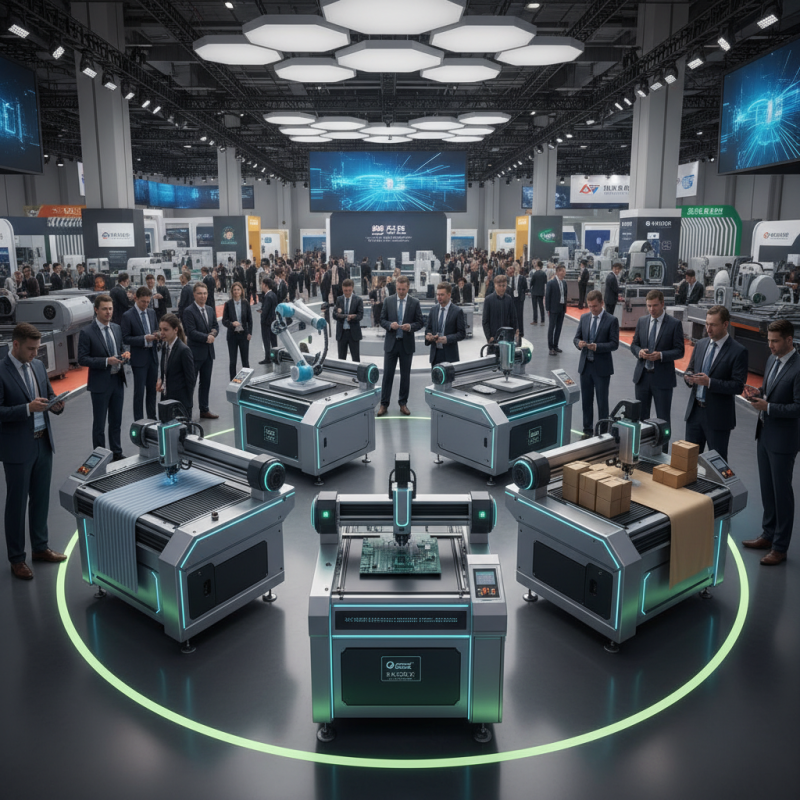
Top Trends in Cutting Machine Technology for 2026 Canton Fair
The cutting machine technology landscape for the 2026 Canton Fair showcases innovative advancements. High-speed cutting machines are gaining attention. They enhance precision while boosting productivity. These machines often feature user-friendly interfaces. Operators can easily control settings with touchscreens.
Automatic feed systems are increasingly popular. They reduce manual input and increase efficiency. However, some users report initial setup challenges. Fine-tuning the automation can be a tedious process. This highlights the need for operator training and support.
Another trend is energy-efficient cutting machines. These machines consume less power without sacrificing performance. Many manufacturers are investing in eco-friendly designs. Nonetheless, this can come at a higher upfront cost. Buyers must weigh long-term savings against initial investments.
Top 5 Cutting Machine Tips for the 2026 Canton Fair
| Tip | Description | Advantages | Latest Trends |
| Invest in Advanced Technology | Utilize cutting machines with AI integration for smarter operations. | Increased efficiency and precision in cutting. | AI automation in design and cutting processes. |
| Focus on Eco-Friendly Options | Choose machines that minimize waste and energy consumption. | Reduced operational costs and enhanced sustainability. | Growing demand for sustainable manufacturing practices. |
| Training and Skill Development | Invest in training operators to ensure effective use of machines. | Improved safety and productivity on the shop floor. | Emphasis on skilled labor in the cutting industry. |
| Regular Maintenance | Schedule routine checks for optimal machine performance. | Prevents breakdowns and extends machine lifespan. | Trend towards predictive maintenance technologies. |
| Customization Capabilities | Opt for machines that allow for customizable settings. | Greater flexibility in meeting diverse production needs. | Rise in demand for bespoke cutting solutions. |
Key Features to Look for in Cutting Machines at Canton Fair
When attending the 2026 Canton Fair, choosing the right cutting machine is crucial. Buyers should focus on key features that enhance productivity. A recent industry report highlights that advanced cutting machines can increase efficiency by up to 30%. Look for machines equipped with automation features. These can drastically reduce manual errors and speed up production processes.
Precision is another vital aspect. Machines that boast a cutting accuracy of 0.01 mm are becoming industry standards. This level of precision minimizes waste and optimizes material usage. Many manufacturers now offer real-time monitoring systems. These help track performance and provide insights into operational efficiency.
It's also essential to consider the versatility of cutting machines. Machines that support various materials, like metals, plastics, and composites, are invaluable. However, some machines struggle with material swaps, causing delays. Buyers should test multiple materials during demonstrations. Ultimately, the right features can drive significant enhancements in overall operations.
Cost-Benefit Analysis of Upgrading Cutting Machines for Businesses
Upgrading cutting machines can significantly boost efficiency for businesses. According to a recent industry report, companies that invest in advanced cutting technology see productivity increases of around 25%. This can lead to better output and potentially higher profit margins. However, the initial cost might seem daunting for smaller firms, often exceeding thousands of dollars. A careful cost-benefit analysis is crucial.
Annual maintenance costs of older machines can spiral. Businesses often overlook this. For instance, repairs can add 15% to annual operating costs. In contrast, newer machines not only reduce repair expenses but often come with warranties. A purchase decision should weigh these factors heavily. Implementing cutting-edge technology is not just about current needs but also about future growth.
Many businesses still rely on outdated machines. This can be risky, leading to inefficiencies and wasted materials. A staggering 30% of manufacturing operations fail to optimize their machine usage. Upgrading might feel risky, but the long-term benefits often outweigh the costs. The potential of enhanced accuracy and reduced energy consumption is immense. Reflecting on these elements can lead to informed decisions that align with business goals.
Cost-Benefit Analysis of Upgrading Cutting Machines for Businesses
Best Practices for Maintaining Cutting Machines for Optimal Performance
Cutting machines play a crucial role in various industries. Maintaining them properly ensures optimal performance. Regularly inspecting blades is essential. Dull blades can lead to poor cutting quality. It is easy to overlook this detail. A well-maintained blade enhances precision and reduces material waste.
Lubrication is another key factor. Proper lubrication minimizes friction and prolongs the machine's life. Use the right type of lubricant. Over or under-lubricating can cause problems. Make it a habit to check lubricant levels weekly. Also, don’t forget about cleaning. Dust and debris can accumulate quickly. Regular cleaning prevents mechanical issues and keeps your machine running smoothly.
Operators should undergo training. Familiarity with machine functions leads to better performance. Involve the team in maintenance practices. Sometimes, issues arise from lack of knowledge. Recognizing potential problems early can save resources. Encourage an atmosphere where questions are welcome, leading to improvement. Constant reflection on practices will ensure machines operate at their best.
Emerging Industry Standards and Regulations Affecting Cutting Machines
The cutting machine industry is evolving rapidly. Emerging standards and regulations are reshaping how manufacturers operate. New guidelines focus on safety, efficiency, and sustainability. These standards often change, requiring constant adaptation. Companies must stay informed and compliant.
For example, energy efficiency regulations are now more stringent. Cutting machines must consume less energy while maintaining performance. This can be challenging for manufacturers. They need to innovate while keeping costs down. Another aspect is the safety regulations impacting machine design. Features like automatic shut-off and emergency stops are becoming mandatory.
It's not just about compliance; there's a growing demand for eco-friendly materials in machine construction. This shift requires a rethink of traditional practices. Some manufacturers may struggle to adapt quickly. Embracing these changes is essential, but it’s not always easy.
Continuous training and investment in new technologies are crucial for staying competitive.


