Why is Welding Protection Essential for Safety and Quality?
Welding is a critical process in various industries. However, it poses numerous risks without proper safety measures. "Welding Protection" is paramount to safeguarding workers from injuries and ensuring high-quality outcomes. Industry expert Dr. Susan Baker emphasizes this, stating, "Effective welding protection is not just an option; it's a necessity."
The dangers of welding are multi-faceted. Burns, eye damage, and respiratory issues can occur without adequate gear. Protective equipment, such as helmets and gloves, plays a vital role in mitigating these risks. Many workers overlook the importance of this protective gear. It can lead to costly mistakes and unsafe practices.
Neglecting welding protection can result in severe consequences. Workers might face injuries that could have been prevented. Companies should invest in high-quality protective equipment. Yet, the question remains: are all organizations doing enough? Reflecting on these issues is essential for fostering a culture of safety in the welding industry.
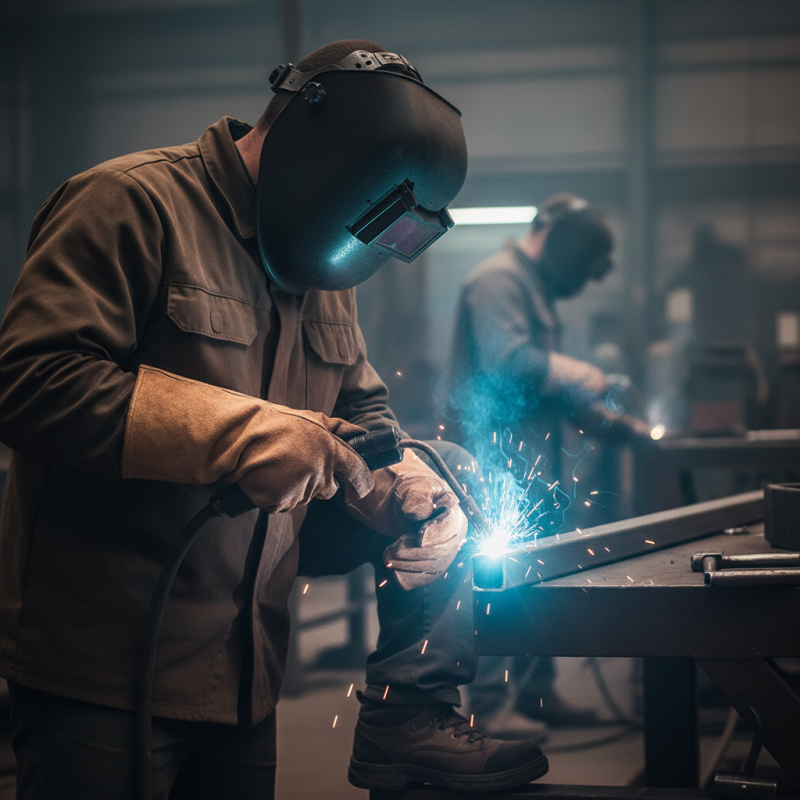
Importance of Welding Protection for Occupational Safety
Welding is a vital process in many industries. However, it comes with significant risks. Occupational safety is paramount. Without proper protection, welders face serious hazards, including burns, fumes, and eye injuries. Protective gear becomes essential to guard against these dangers. Helmets and gloves are not just accessories; they are life-saving tools.
Many welders may underestimate risks. A small spark can cause a severe burn. Fumes can lead to long-term health issues. Unfortunately, there are cases where workers ignore protective measures, thinking they are unnecessary. This mindset can lead to preventable accidents. Employers must emphasize training and awareness.
The workspace should be safe and organized. Good lighting and ventilation help reduce risks. However, many workplaces fall short in these areas. Welders often work in cramped spaces, but they must prioritize their safety. Using the right protection is not just about compliance; it’s about a commitment to well-being. Safety today ensures a healthier tomorrow.
Why is Welding Protection Essential for Safety and Quality?
| Protection Type | Purpose | Safety Benefits | Impact on Quality |
| Welding Helmets | Protects eyes and face from intense light and heat | Prevents burns and eye damage | Ensures clear vision for accurate welding |
| Protective Clothing | Covers body parts to prevent burns | Reduces risk of skin injuries | Maintains worker comfort for sustained quality |
| Gloves | Protects hands from heat and sharp edges | Prevents cuts and burns | Enhances control for precise welds |
| Respirators | Filters harmful fumes and gases | Protects respiratory health | Ensures clearer thinking for better welding decisions |
Common Hazards Associated with Welding and Their Consequences
Welding presents various hazards that can impact both safety and quality. According to the American Welding Society, around 2.5 million workers in the U.S. are involved in welding. Each year, thousands sustain injuries and even fatalities from welding-related accidents. The most common hazards include exposure to harmful fumes, electric shocks, and fire risks.
Inhalation of fumes can lead to severe respiratory issues. The National Institute for Occupational Safety and Health reports that welders are often exposed to manganese and lead. Prolonged exposure can cause neurological damage. Electric shock is another major concern, with incidents leading to serious injuries or death. Inadequate safety measures can leave workers vulnerable in high-risk environments.
Moreover, fires can ignite from sparks and molten metal. It’s not uncommon for welders to work in cramped spaces, increasing the risk of accidents. The Bureau of Labor Statistics indicates that welding incidents resulted in nearly 9,000 injuries in 2020. Protective equipment and proper safety protocols are critical. However, some workers still neglect safety gear, which poses significant risks. These statistics paint a concerning picture that demands ongoing attention and improvement in safety practices within the industry.
Welding Hazards and Their Consequences
Welding is a critical industrial process that presents various hazards, potentially impacting safety and quality. The chart above depicts common welding hazards and their severity, highlighting the importance of protective measures in the welding environment.
Types of Personal Protective Equipment for Welders
Welding is a vital industry but comes with inherent risks. Therefore, using the right personal protective equipment (PPE) is crucial for ensuring safety. According to the Occupational Safety and Health Administration (OSHA), welding poses numerous hazards, including burns, electric shock, and exposure to harmful fumes. Proper PPE minimizes these risks significantly.
Key types of PPE for welders include helmets, gloves, and protective clothing. A good welding helmet protects the eyes and face from harmful UV rays and sparks. In fact, the American Welding Society indicates that over 50% of welders have experienced some form of eye injury. Sturdy gloves are essential to shield hands from heat and sharp pieces. Additionally, flame-resistant clothing provides a barrier against sparks and heat, which can otherwise cause severe burns.
Tips: Always ensure your PPE fits correctly. A loose helmet or gloves can increase risk. Regularly check your gear for signs of wear, as damaged equipment offers less protection. Remember, safety should always come first, even if it feels cumbersome at times. It’s worth reflecting on the common saying: “Better safe than sorry.” Prioritize your well-being, and invest time in the right safety measures.
Best Practices for Ensuring Welding Safety and Quality
Welding safety is paramount. Inadequate protection can lead to serious injuries. Using proper gear is a starting point. Helmets and gloves are essential. Safety goggles will shield your eyes from bright sparks. The working environment should also be monitored closely.
Tips: Always wear protective clothing. Avoid loose fabrics that can catch fire. Be mindful of the workspace. Ensure proper ventilation to reduce harmful fumes.
Maintaining your equipment is crucial. Regular inspections help identify worn-out parts. Faulty tools can compromise safety and may lead to subpar welding quality. Provide training on equipment use. Employees must understand best practices.
Tips: Utilize checklists for equipment before starting. Encourage reporting of issues. A proactive approach helps minimize risks and enhances overall quality.
Impact of Welding Protection on Long-term Health and Work Quality
Welding protection plays a crucial role in maintaining long-term health. Welders face numerous hazards daily. Exposure to fumes, radiation, and heat can lead to serious health issues. Protective gear, like helmets and gloves, helps reduce these risks. Yet, many workers often neglect to wear full protective equipment. This oversight can have lasting consequences.
In addition to physical health, welding protection impacts work quality. High-quality gear enhances visibility and comfort. This can lead to better focus and precision on the job. However, not every welder invests in adequate protection. Many prioritize short-term savings over their health. This mindset can ultimately affect their craftsmanship. Poor quality work reflects not only on the individual but also on the entire industry.
The truth is, welding protection should not be an afterthought. When welders ignore safety practices, they compromise both their health and the projects they undertake. Workers need to take responsibility for their choices. Assessing and improving safety measures is essential for a sustainable career in welding. Making informed decisions today will bring benefits that last a lifetime.


