Why Choose Box Die Cutting for Your Business at Canton Fair?
Box Die Cutting is a crucial technology for modern businesses attending the Canton Fair. With the evolving landscape of manufacturing, this process offers precision and efficiency. At the fair, companies can showcase their innovative designs and connect with key suppliers. The importance of having high-quality packaging solutions cannot be overstated, especially in industries like electronics and home decor.
The Canton Fair, particularly in 2026, emphasizes advanced manufacturing. Businesses that utilize Box Die Cutting can benefit from AI-driven search features at the fair. These technologies help buyers identify qualified suppliers, enhancing collaboration. The intelligent navigation system allows attendees to move seamlessly through the vast exhibition space, maximizing their time and potential for networking.
However, companies must reflect on their current packaging methods. Are they truly optimized for efficiency? Box Die Cutting might seem straightforward, yet it requires careful consideration. Each design must be purpose-driven, addressing product needs and environmental impact. Engagement at the Canton Fair provides an opportunity to rethink these practices strategically.
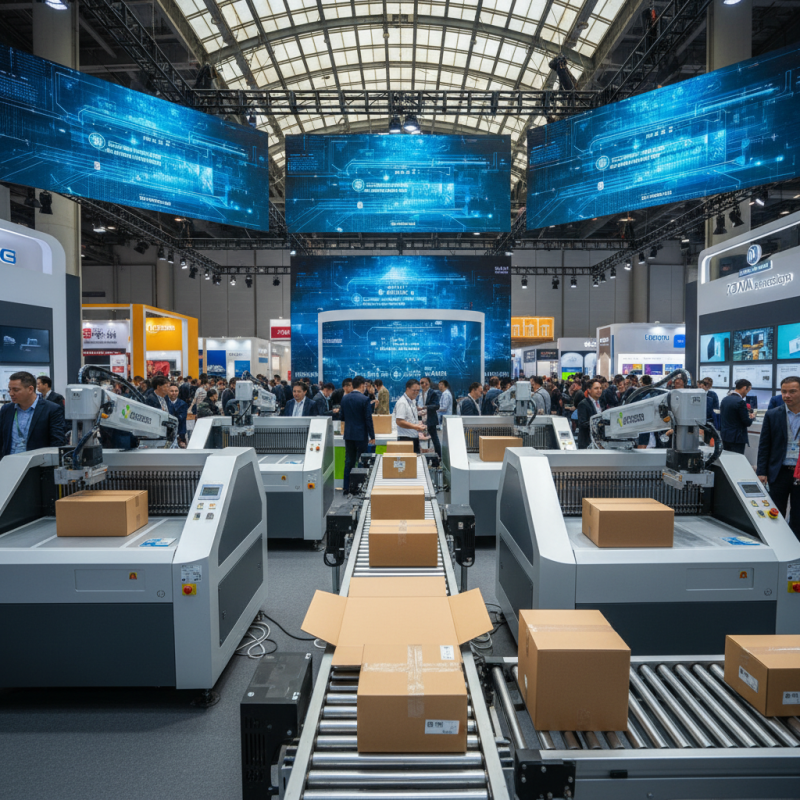
Understanding Box Die Cutting and Its Benefits for Businesses
Box die cutting is an innovative process that shapes materials into various packaging forms. It allows businesses to create custom boxes tailored to their products. This technique uses steel dies to cut precise shapes, ensuring accuracy and consistency. Many companies are adopting box die cutting for its efficiency and cost-effectiveness.
One significant benefit of box die cutting is material optimization. Businesses can minimize waste, leading to cost savings. Moreover, this method is versatile; it works well with different materials such as cardboard and plastic. However, companies must consider their specific needs. Not all designs fit every product. Inadequate planning can lead to unsatisfactory results.
Another advantage is that box die cutting enhances branding. Unique designs can grab attention at trade fairs like the Canton Fair. Still, not every design will resonate with consumers. Testing different prototypes may be necessary. Businesses should seek feedback to refine their packaging. A strong, appealing box can make a significant difference in customer engagement.
Benefits of Box Die Cutting for Businesses
Key Advantages of Choosing Box Die Cutting at Canton Fair
Box die cutting offers numerous advantages for businesses attending the Canton Fair. One significant benefit is the precision it provides. This method allows for intricate designs that reflect your brand's identity. In a competitive environment, standout packaging can attract more clients.
Customization is another key advantage. You can create boxes tailored to your product. This flexibility supports various business needs, making your offerings more appealing. Use unique shapes and sizes to enhance product presentation. It’s not just about functionality; it’s about creating an experience.
Tip: Consider using vibrant colors and textures. They can make a lasting impression.
However, some might find limitations in designs. Not every idea translates well to die cutting. It's crucial to collaborate with experts who can offer advice. Don’t hesitate to seek feedback during the design process. It’s vital to understand that not all concepts work perfectly in reality.
Tip: Test your designs on a smaller scale. This can save you time and materials.
Innovative Applications of Box Die Cutting in Various Industries
Box die cutting has become a vital process across various industries. This technique allows businesses to produce custom packaging shapes efficiently. The versatility of box die cutting makes it an ideal choice for companies looking to enhance their product presentation. Many industries, including food and electronics, benefit from unique packaging solutions that stand out on store shelves.
The application of box die cutting is innovative and widespread. In the food industry, custom die-cut boxes ensure that products remain fresh and appealing. In electronics, these boxes provide protection while showcasing the item stylishly. However, there may be challenges in meeting production demands or keeping up with design trends. Companies must be agile and open to innovations to remain competitive. The process can sometimes lead to waste if designs are not optimized. Reflection on past projects can help eliminate inefficiencies and improve future outcomes.
Cost-Effectiveness of Box Die Cutting for Your Business Needs
Box die cutting is increasingly chosen by businesses at the Canton Fair. It offers a cost-effective solution for packaging needs. Unlike traditional methods, box die cutting allows for intricate designs and shapes. This flexibility can help brands stand out. Reducing material waste is another advantage. Custom shapes mean you only use what you need.
Tips: Consider your packaging design early. Great design can enhance your product's appeal. Always request a sample before placing large orders. This step minimizes costly mistakes. Look for suppliers who are willing to collaborate. A good partnership can lead to better pricing and innovations.
Understanding your target market can save costs. Analyze what your customers prefer. Are they looking for eco-friendly options? The right choice can influence buying decisions. Further, revisiting your design might reveal areas to cut costs without compromising quality. By simplifying your design, you might find significant savings.
Why Choose Box Die Cutting for Your Business at Canton Fair? - Cost-Effectiveness of Box Die Cutting for Your Business Needs
| Aspect | Details | Benefits |
| Cost Efficiency | Lower production costs with bulk orders. | Enhanced profit margins. |
| Customization | Fully customizable designs to fit unique needs. | Meeting specific branding requirements. |
| Quality | High-quality cuts and finishes for better visual appeal. | Improved customer satisfaction and loyalty. |
| Speed | Faster production time compared to traditional methods. | Quicker time-to-market for products. |
| Sustainability | Utilizes recyclable materials efficiently. | Contributes to environmentally friendly practices. |
Tips for Selecting the Right Box Die Cutting Supplier at Canton Fair
When attending the Canton Fair, selecting the right box die cutting supplier is crucial for your business. With numerous options, the decision can feel overwhelming. Here are some tips to help you navigate the process effectively.
Start by assessing the supplier's experience. An established supplier often indicates reliability. Check their portfolio for past projects. It’s important to see how they've executed previous jobs. A lack of variety might be a red flag. Don't hesitate to ask for references, even if it feels awkward.
Evaluate their communication style. A good supplier will respond promptly and clearly. If you face delays in replies, ponder this. Effective communication is key for a successful partnership. Lastly, pay attention to pricing. An unusually low price might compromise quality. Seek clarity on what’s included in the quotes. This can help avoid unexpected costs later.
Being attentive to these details during the selection process can lead to a fruitful collaboration. Each conversation can reveal insights into their practices and capabilities. It’s alright to feel uncertain; due diligence is essential to finding the right fit for your needs.


