Why Choose Stainless Hex Nuts for Your Projects?
When considering fasteners for construction and manufacturing, Stainless Hex Nuts stand out as a strong choice. According to a recent report from the Industrial Fasteners Institute, the stainless steel fastener market is expected to grow significantly over the next five years. This rise reflects an increased awareness of corrosion resistance and durability in harsh environments.
Stainless Hex Nuts offer superior strength and reliability compared to traditional options. They resist rust and corrosion, even in extreme conditions. This quality not only extends the lifespan of projects but also reduces maintenance costs over time. In fact, a study by the National Association of Corrosion Engineers highlighted that corrosion-related failures cost industries billions annually.
While Stainless Hex Nuts are advantageous, careful selection is crucial. Different projects may require varying grades of stainless steel. Understanding the specific needs of your application can prevent potential issues down the line. Making informed choices ensures that the benefits of using Stainless Hex Nuts truly outweigh the costs.
Benefits of Using Stainless Steel Hex Nuts in Various Industries
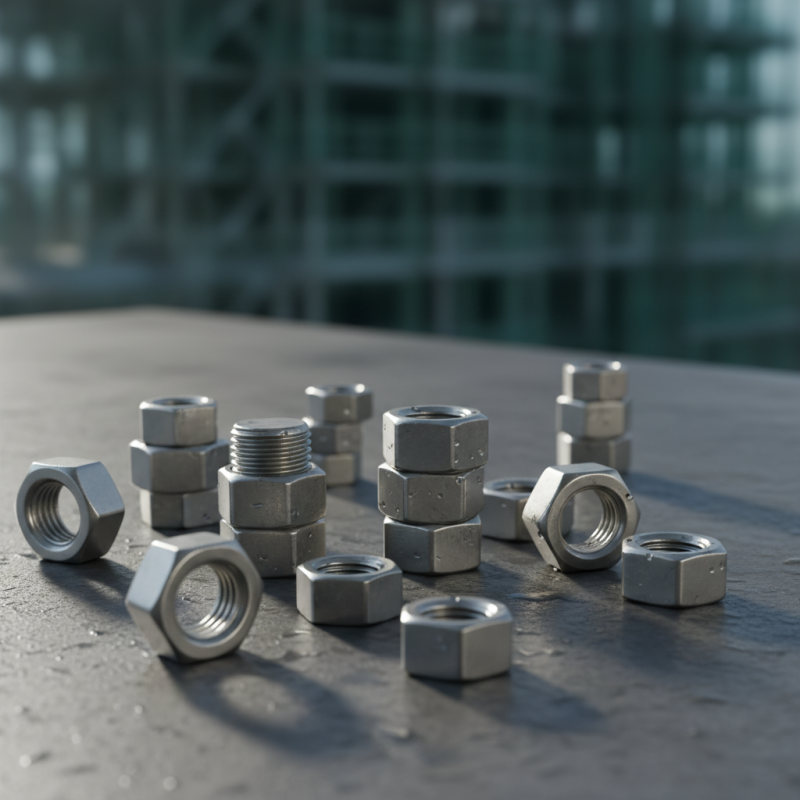
Stainless steel hex nuts are essential in various industries due to their unique benefits. They offer excellent corrosion resistance, which is crucial in environments like marine or chemical applications. This durability ensures longevity, making them ideal for projects that face harsh conditions. The strength of these nuts provides reliable fastening, reducing the risk of loosening over time.
While stainless steel hex nuts are a great choice, their cost can be higher than other materials. It's important to balance budget constraints with the need for quality. Additionally, selecting the correct size and grade is critical for optimal performance. Failure to do so could lead to issues down the line.
**Tip:** Always check compatibility with other materials in your assembly. This helps avoid corrosion problems.
In construction, these hex nuts are favored for their resilience. However, some may overlook proper installation techniques. Using the right tools can prevent stripping and ensure a secure fit. In demanding applications, overlooking minor details can lead to significant failures. Never underestimate the impact of a well-secured nut.
Corrosion Resistance: Enhancing Durability with Stainless Steel
Corrosion resistance is a crucial factor when choosing materials for various projects. Stainless steel, known for its strength and durability, provides excellent protection against corrosive environments. Reports indicate that stainless hex nuts can last up to five times longer than traditional carbon steel options in harsh conditions. This durability significantly reduces maintenance costs over time.
In construction, stainless hex nuts are frequently used due to their ability to withstand extreme weather and chemical exposure. For example, in marine applications, stainless steel can resist saltwater corrosion effectively. Yet, despite these advantages, some may overlook their higher initial cost. However, considering their longevity, the investment often pays off.
It's also important to note that not all stainless steel is created equal. Different grades offer varying levels of corrosion resistance. The AISI 316 grade, for instance, excels in marine environments but may be over-specified for less demanding applications. Selecting the right grade for the job is essential to avoid unnecessary costs. Understanding these details can lead to better material choices and enhanced project outcomes.
Why Choose Stainless Hex Nuts for Your Projects?
| Feature | Description | Benefits |
| Corrosion Resistance | Stainless steel hex nuts resist rust and corrosion from moisture and chemicals. | Increased lifespan and minimal maintenance in harsh environments. |
| Strength & Durability | High tensile strength provides reliable performance under load. | Reliable fastening solutions for demanding applications. |
| Versatility | Compatible with various materials and industries. | Adaptable for multiple uses, from construction to automotive. |
| Temperature Resistance | Maintains integrity in extreme temperatures. | Suitable for high-heat applications without losing performance. |
| Aesthetic Appeal | Polished finish offers a sleek look. | Enhances the overall appearance of assemblies. |
Cost-Effectiveness: Long-Term Savings with Stainless Hex Nuts
Stainless hex nuts are a popular choice in many construction and manufacturing projects. They offer significant cost-effectiveness through longevity and durability. Studies show that stainless steel fasteners can last up to 15 times longer than traditional carbon steel options. This longevity leads to reduced replacement costs over time.
Corrosion resistance is another crucial factor. In environments exposed to moisture, stainless hex nuts outperform others. They're less likely to rust, which can lead to structural failures. According to industry reports, replacing rusted components can cost up to 5 times more than using quality materials initially. This indicates the importance of investing in reliable fasteners.
However, some may hesitate due to their initial higher cost. It's a challenge to justify spending more upfront. Yet, many projects can benefit from this investment. Better quality fasteners reduce maintenance needs and downtime. Making the choice to use stainless hex nuts ultimately leads to sustainability in project management. The savings on replacements and labor often outweigh initial costs. The decision might not be straightforward, but careful consideration reveals long-term advantages.
Cost-Effectiveness of Stainless Hex Nuts
The chart above illustrates the average lifecycle cost of different types of fastening solutions. Stainless hex nuts offer a significant cost advantage over low-quality bolts and regular steel nuts by ensuring durability and reducing maintenance costs over time.
Standards and Specifications: Ensuring Quality Compliance
When selecting fasteners for any project, quality is paramount. Stainless hex nuts often stand out due to their durability and resistance to corrosion. However, not all hex nuts are made equal. Understanding standards and specifications can help ensure you choose the right ones. The American National Standards Institute (ANSI) and the International Organization for Standardization (ISO) provide guidelines. These benchmarks allow you to evaluate dimensions, tensile strength, and materials used.
Focusing on quality compliance means looking beyond the surface. The metallurgy of the stainless steel affects its performance. For instance, different grades have varying resistance to rust and wear. You might encounter discrepancies in sizes and shapes, even among similar products. Manufacturers can sometimes overlook these standards, leading to inferior products. This could result in diminished structural integrity or premature failure of your assembly.
Not everything is perfect in the manufacturing process. Variability exists in the production run, which can affect quality. It's crucial to verify certification and compliance regularly. Checking specs might save you from future frustrations. Understanding the subtleties of quality compliance can significantly impact your project's outcome. Don’t underestimate these details, as they often make a world of difference.
Applications and Use Cases: Versatility of Stainless Hex Nuts in Projects
Stainless hex nuts are essential components in various applications. Their versatility makes them popular in construction, automotive, and manufacturing industries. According to a report by the Global Fasteners Market, the demand for stainless steel fasteners is expected to reach 15 million metric tons by 2025. This growth indicates their widespread use in critical projects.
In construction, stainless hex nuts are favored for their corrosion resistance. They withstand harsh environments, ensuring safety and durability. For instance, using them in outdoor structures can prevent rusting. In the automotive sector, these nuts are vital for securing components. A recent study suggested that up to 20% of vehicle failures are linked to inadequate fastening. This statistic emphasizes the importance of quality nuts.
However, not all stainless hex nuts are created equal. Some may exhibit variability in quality due to production inconsistencies. It is crucial to ensure that the nuts you choose meet proper industry standards. Ultimately, selecting the right stainless hex nuts can significantly impact project success and longevity.


