Choosing the best Sewage Pump from China requires more than comparing prices, motor power, or catalogue photographs. The correct choice depends on flow rate, total head, solids size, wastewater chemistry, installation depth, and maintenance access. A pump that performs well in a municipal lifting station may struggle in a food-processing plant with fibrous waste. The details matter.
Global demand is rising. The United Nations World Water Development Report 2024 highlights growing pressure on water systems from urbanisation, pollution, and climate change. The WHO and UNICEF Joint Monitoring Programme also reported that billions of people still lack safely managed sanitation services. These findings underline the need for dependable pumping equipment, not temporary solutions. Performance must be measurable.
For buyers evaluating Chinese manufacturers, useful evidence includes hydraulic test curves, factory quality records, motor efficiency data, material certificates, and documented field experience. ISO 9906 provides a recognised framework for rotodynamic pump testing, while IEC 60034 supports motor performance and testing requirements. Suppliers should explain whether their Sewage Pump uses cast iron, stainless steel, or duplex components, and whether the impeller is vortex, cutter, or non-clog type. Ask about seal replacement.
A strong product should pass practical checks. Can it handle a 75-millimetre solid without repeated blockage? Can operators remove the pump without entering a wet well? Does the supplier provide spare parts after the warranty expires? These questions expose weaknesses quickly. Still, no manufacturer is perfect. Published data may not reflect abrasive grit, voltage fluctuations, or careless installation. Therefore, this guide compares Chinese sewage pump suppliers through technical evidence, operating experience, compliance, after-sales support, and total lifecycle cost—not promotional claims alone.
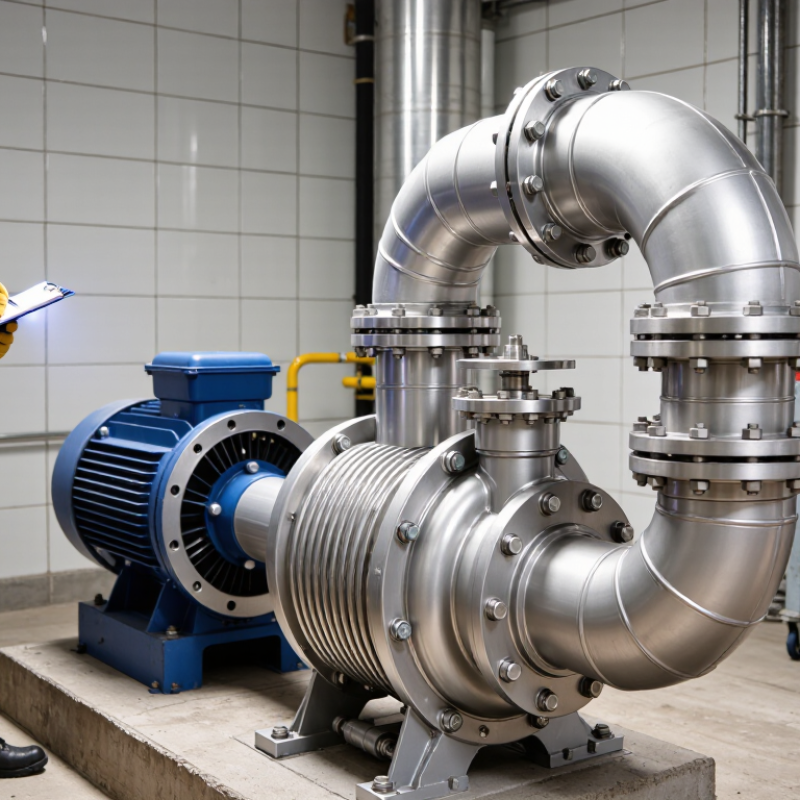
China manufactures several sewage pump types, each suited to a different wastewater problem. Submersible centrifugal pumps are common in municipal lift stations. Their sealed motors operate below the water surface, reducing priming issues and visible noise. Vortex pumps create clearance around solids, which helps in hospitals, food facilities, and mixed domestic wastewater. Grinder pumps cut fibrous waste before discharge, but their cutting systems require careful inspection. Axial-flow and mixed-flow pumps handle large volumes at relatively low heads, making them useful for drainage channels and treatment plants.
The market need is substantial. The UN World Water Development Report states that more than 80% of global wastewater is released without adequate treatment. The WHO/UNICEF Joint Monitoring Programme reported in 2023 that 3.5 billion people lacked safely managed sanitation. These figures explain why Chinese factories increasingly offer corrosion-resistant alloys, automatic level controls, and energy-monitoring systems. However, specifications on paper can mislead. A pump rated for 30 cubic metres per hour may deliver less when solids, long pipelines, or frequent starts increase resistance. I have found that impeller passage size matters as much as motor power. Small passages clog quickly.
For buyers comparing Chinese-made equipment, check hydraulic curves, insulation class, seal materials, cable length, and documented testing. Ask for performance data under realistic sewage conditions, not only clean-water tests. ISO 9906 provides a useful framework for pump acceptance testing. Certification is valuable, but installation records and service response reveal more. That is the part many quotations overlook.
| Pump Type | Typical Impeller or Cutting System | Typical Flow Range | Typical Head Range | Recommended Solids Passage | Best-Fit Applications | Main Strength | Important Limitation |
|---|---|---|---|---|---|---|---|
| Vortex Submersible Sewage Pump | Vortex impeller with minimal contact between solids and impeller | 5–150 m³/h | 5–35 m | Approximately 40–100 mm, depending on model | Municipal sewage, wastewater lift stations, stormwater containing soft solids | Good clog resistance and reliable handling of fibrous wastewater | Usually less hydraulically efficient than a closed-channel impeller |
| Non-Clog Channel Impeller Pump | Single-, two- or multi-channel impeller with a wide flow passage | 10–600 m³/h | 8–60 m | Approximately 50–150 mm, depending on model | Large wastewater plants, industrial effluent, sewage with suspended solids | High capacity and comparatively good hydraulic efficiency | Can clog when long fibrous materials are present or operating conditions are poor |
| Cutter Sewage Pump | Rotating cutter or cutting plate installed at the suction inlet | 3–80 m³/h | 15–100 m | Typically designed for smaller downstream pipework after cutting | Pressurized sewer systems, residential wastewater, long discharge lines | Reduces the size of soft solids and helps limit discharge-pipe blockage | Cutters wear when exposed to sand, grit, metal or other abrasive materials |
| Grinder Pump | High-speed grinding mechanism that macerates sewage solids | 1–30 m³/h | 20–120 m | Produces finely ground solids suitable for narrow pressure pipes | Individual homes, remote buildings and low-flow pressure sewer networks | Supports small-diameter discharge piping and higher static heads | Lower flow, higher energy use and greater maintenance sensitivity than non-clog designs |
| Sewage Ejector Pump | Open or semi-open impeller, commonly supplied with a collection basin | 5–100 m³/h | 5–30 m | Commonly 40–75 mm, depending on the discharge design | Basements, commercial buildings and sites below the gravity sewer level | Straightforward solution for transferring sewage to a higher sewer line | Requires adequate basin ventilation, level control and backflow protection |
| Vertical Dry-Pit Sewage Pump | Vertical shaft with a wet-end casing installed in or beside the wet well | 20–1,500 m³/h | 8–80 m | Often 50–150 mm, subject to impeller selection | Large municipal pumping stations and applications requiring accessible motors | Motor and electrical components can be located in a dry, serviceable area | More complex civil works and installation than a fully submersible pump |
| Automatic Submersible Sewage Pump | Compact vortex or open impeller with float switch or level sensor | 3–60 m³/h | 5–30 m | Approximately 25–75 mm, depending on the pump size | Small septic tanks, residential sumps, temporary wastewater drainage | Easy installation and automatic start-stop operation | Float switches need sufficient space and can be affected by grease or tangled debris |
What is the best sewage pump from China? The answer depends on verified operating data, not country of origin. Start with duty. Record flow rate, total head, liquid temperature, pH, and daily running hours. A pump rated at 80 m³/h may deliver far less against a high discharge lift. Check the performance curve at your actual duty point.
Solid handling is critical. Compare the free passage, impeller design, and clogging resistance. For fibrous wastewater, a 50–80 mm passage can matter more than a higher motor rating. Confirm motor output, efficiency, insulation class, and protection rating. IP68 protection is useful for submerged motors, but cable sealing and installation depth still require inspection. The U.S. Department of Energy reports that pumping systems can represent 25–50% of industrial electricity use. Small efficiency losses become expensive over years.
Look for testing under ISO 9906 procedures, with recorded flow, head, power, and vibration results. IEA’s Energy Efficiency 2023 report estimates motor-driven systems consume about 53% of global electricity, making efficiency a practical purchasing issue. Ask for factory test records, material certificates, thermal protection details, and spare-part dimensions. That is basic evidence.
Experience adds one warning. Stainless steel does not automatically suit every sewage chemistry. Cast iron may perform well, while abrasive sand can shorten impeller life. Warranty language also deserves careful reading. A cheaper pump can become costly after repeated blockages, emergency lifting, or unavailable seals. Compare lifecycle cost, not only the quotation.
Materials, Motor Performance, and Clogging Resistance
A reliable sewage pump begins with materials that tolerate water, grit, and chemical exposure.
Cast iron housings provide weight and strength for fixed installations. Stainless steel components resist corrosion better in damp pits and coastal environments.
The impeller deserves close inspection. A vortex impeller allows solids to pass with less contact, while a cutting impeller handles fibrous waste more aggressively.
Material choice should match the wastewater, not only the purchase price.
Motor performance affects both capacity and service life. Check the rated power, insulation class, and continuous-duty rating before comparing flow figures.
A properly sized motor should maintain stable output without frequent overheating. Thermal protection can disconnect the motor when temperatures rise, reducing winding damage.
In field checks, I also look for sealed bearings, cable quality, and a mechanical seal designed for submerged operation.
Small details matter.
Clogging resistance depends on more than impeller design. The discharge passage must be wide enough for expected solids, and the pump should maintain sufficient velocity through the pipe.
Excessive bends may encourage sediment buildup. Automatic level controls also need reliable movement, because a trapped float can cause dry running or overflow.
No pump is perfect. A model tested with clean water may perform differently when cloth, hair, and grit enter the pit.
Request test data using realistic solids, inspect service records, and confirm that replacement seals and impellers are readily available.
A lower initial price can become expensive when access is difficult and downtime lasts for days.
The best sewage pump is not defined by price or appearance. It must meet recognized performance and safety requirements. The United Nations World Water Development Report states that more than 80% of global wastewater is discharged without treatment. Reliable pumping equipment is therefore critical for public health and plant continuity.
Ask the factory for ISO 9001 certification, valid test records, and product traceability. ISO 9906 supports hydraulic performance testing, including flow, head, and efficiency checks. IEC 60529 is relevant when reviewing enclosure protection, such as IP68 claims. Inspectors should verify motor insulation, cable sealing, impeller balance, vibration, and solids passage. A witnessed factory acceptance test is stronger than a polished certificate. Certification can expire. Batch quality can also vary.
Tips: Request the original certificate number and check its issuing body. Match the pump’s serial number with inspection records. Test the actual model, not only a similar sample. Review the performance curve at your operating point. Ask how rejected castings and failed motors are recorded. The small details matter. I have seen documents look complete while basic traceability was missing. That weakness deserves careful questioning before shipment.
What Is the Best Sewage Pump from China?
The best Chinese sewage pump depends on your site, not just its price. Start with the sewage type, discharge distance, pipe diameter, and daily flow. A household basement may need a compact grinder pump, while a commercial system often requires a larger non-clog pump. Check motor power, lifting height, solid-passage size, and protection rating. These details affect real performance.
Ask for tested performance data and material specifications. Cast iron handles demanding conditions, while stainless steel can resist certain corrosive environments. Confirm the seal design, cable quality, float switch, and control panel. From practical installation experience, poor cable protection often causes avoidable failures. Yet selection is not perfect. Actual flow may change after elbows, long pipes, or partial blockages. Leave a reasonable safety margin, but avoid excessive power consumption.
Tips: Request a complete pump curve, not only a maximum flow figure. Verify whether the pump can pass the solids found in your wastewater. Check local voltage and frequency before ordering. Ask about spare parts, warranty terms, inspection records, and technical support. Test the pump under realistic conditions when possible. A quiet motor is helpful, but it does not prove reliable sewage handling. Inspect the installation regularly, especially the float switch and discharge valve. Small warning signs matter.
Selecting the best sewage pump depends on matching pump speed with the required flow rate, head, and power consumption. The chart below applies the centrifugal pump affinity laws to show how these factors change when pump speed varies.
At 100% speed, the pump delivers its reference performance. According to the affinity laws, flow changes approximately in proportion to speed, head changes with the square of speed, and power changes with the cube of speed. When selecting a sewage pump, confirm the actual duty point, solids-passage requirement, motor protection, materials, and operating conditions with the pump supplier. These relationships are engineering approximations for the same centrifugal pump operating under comparable conditions.