Who Are the Top Submersible Pump Manufacturers in China?

Choosing a Submersible Pump for a demanding site is rarely just a price decision. In China, manufacturers serve varied needs, from household drainage to mine dewatering and municipal wastewater. Their catalogs may look similar. But details matter. Motor protection, seal design, casing materials, flow rate, and delivery head can shape performance over years. No single supplier fits every job.

This guide examines leading Chinese manufacturers through practical selection criteria rather than unsupported rankings. It considers product range, production experience, quality controls, customization, and the availability of technical support. Buyers should compare specifications against actual operating conditions: water temperature, solids content, installation depth, and expected duty cycle. A pump rated for clean water may not suit a site handling abrasive wastewater. That distinction is easy to miss—and worth checking.

Reliable evaluation also means looking beyond a polished product page. Request current test records, material details, warranty terms, and clear answers about spare parts and service response. Where possible, verify claims with factory documentation or a qualified inspection. Company size alone does not guarantee a good match. Nor does a low quotation explain long-term operating costs. The comparison ahead offers a starting point, not a substitute for engineering review. Some information may change, so confirm details directly with each manufacturer before making a purchase decision.
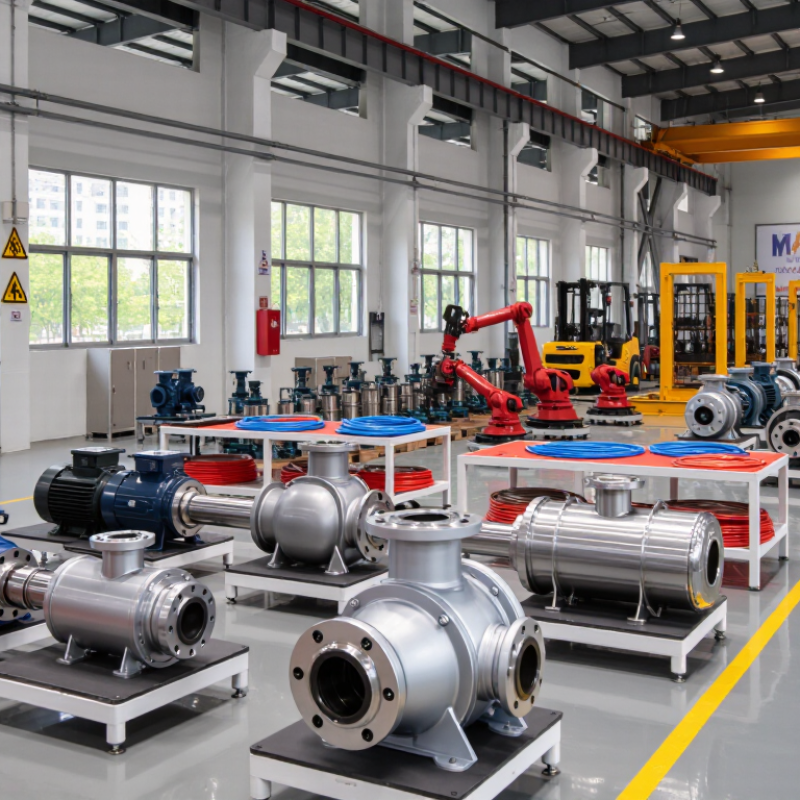
Who Are the Top Submersible Pump Manufacturers in China?

Define Submersible Pump Types, Applications, and Core Hydraulic Metrics

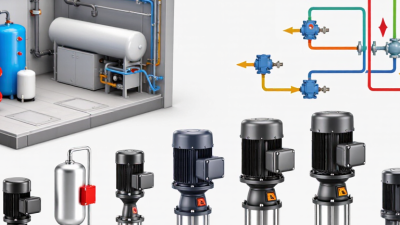
Submersible pumps operate with the motor and pump casing below the liquid surface. Common types include borehole pumps for deep wells, drainage pumps for clean or lightly contaminated water, and wastewater pumps designed to pass solids. Slurry models handle abrasive mixtures, but their wear parts need closer inspection. The right type depends on liquid, depth, temperature, and expected solids.

Applications shape the design. A narrow well usually calls for a slim, multistage pump that can lift water through a long discharge pipe. A flooded basement may need a portable drainage unit with a float switch. Wastewater installations often require a larger solids passage to reduce clogging. Check the installation details. A pump that fits the flow target may still fail if it runs dry or lacks adequate cooling.

Core hydraulic metrics include flow rate, total dynamic head, and efficiency. Flow rate describes delivered volume over time; head represents the energy needed to overcome elevation and pipe losses. Read both from the pump curve at the intended operating point, not as isolated maximum ratings. A pump’s best efficiency point matters, though real systems rarely stay there all day. That rule is useful, but not perfect. Pipe friction, changing water levels, and buildup can shift performance. Record actual flow and pressure during commissioning, then compare them with the design figures.
Map China’s Pump-Making Regions and Major Manufacturer Categories

China’s submersible-pump industry is concentrated in several manufacturing regions, each with different strengths. Zhejiang, especially around Wenling and Taizhou, has dense networks of small and mid-sized pump makers. Many focus on agricultural irrigation, household water supply, and drainage models. The streets can feel like an extension of the factory floor.

Jiangsu has a broader base of industrial suppliers, including makers serving municipal water systems, construction sites, and wastewater projects. In coastal provinces such as Fujian and Guangdong, export-oriented production is also common. These patterns are useful clues, not guarantees. A supplier’s location alone cannot confirm its engineering depth or quality controls.

Manufacturer categories are often more helpful than regional labels. Some factories specialize in compact pumps for wells and farms; others build sewage pumps with larger passages for solids. Deep-well models, dewatering units, and engineered systems for demanding installations require different materials and testing. Ask for curves, motor protection details, and test records. Details matter. Product categories can overlap, and catalog descriptions may hide important differences. I would verify the actual production line and intended duty before treating any regional reputation as proof.

Compare Leading Chinese Brands by Flow, Head, Power, and Product Range

Comparing leading Chinese submersible pump manufacturers works best when you match duty points, not headline capacity.

Check flow and head together: a pump rated for high flow may deliver far less once it lifts water through a deep shaft or long discharge pipe. Ask for the performance curve, motor power, efficiency, and the operating range around your required point. Numbers need context.

The U.S. Department of Energy’s Improving Pumping System Performance sourcebook estimates that pumping systems use nearly 20% of global electricity demand. That makes efficiency more than a catalog detail.

Product range also matters. Chinese suppliers may offer drainage, sewage, clean-water, and mining models, but these are not interchangeable. For sewage, check solids passage and impeller design; for a narrow well, confirm the pump diameter and installation clearance.

Power ratings alone can mislead. A larger motor does not guarantee better output at your actual head. Request test data and compare it with the relevant acceptance criteria in ISO 9906 for rotodynamic pump performance.

One caveat: published curves may reflect controlled test conditions, not a worn impeller or fluctuating site voltage.

Compare warranty terms, materials, and service access alongside flow, head, and power. Small details matter. A clear range of models is useful, but the best fit still depends on the installation.

Assess Hydraulic Performance Using ISO 9906:2012 Grades 1, 2, and 3

For buyers comparing Chinese submersible pump manufacturers, ISO 9906:2012 offers a common way to assess hydraulic performance. Grade 1 uses the tightest acceptance tolerances; Grade 2 is a practical middle ground, while Grade 3 allows wider deviations. The exact limits depend on the selected acceptance class and test conditions, so request the test certificate rather than relying on a catalogue curve. Check measured flow, head, and power near your actual duty point. Small differences matter. A pump delivering less head may struggle against a long discharge pipe or a rising water level.

The U.S. Department of Energy’s Improving Pumping System Performance sourcebook reports that pumping systems account for nearly 20% of global electricity demand and can consume 25–50% of energy in some industrial plants. That makes efficiency testing relevant beyond purchase price. Ask whether the test used the specified impeller, speed, and liquid conditions, and whether instruments were calibrated. A clean curve still cannot tell the whole story; installation losses and changing water levels affect field performance.

Tips: Match the ISO grade to the project’s risk and operating cost. For critical drainage, request Grade 1 or 2 evidence and review the uncertainty notes. For a basic comparison, Grade 3 may be sufficient. Record the duty point. Then compare the tested curve with your system needs.

Who Are the Top Submersible Pump Manufacturers in China? - Assess Hydraulic Performance Using ISO 9906:2012 Grades 1, 2, and 3
Standards-based comparison framework. ISO acceptance grades describe test tolerances, not manufacturer rankings; manufacturer-specific performance should be assessed using agreed guarantees and documented test results.
Assessment dimension ISO 9906:2012 Grade 1 ISO 9906:2012 Grade 2 ISO 9906:2012 Grade 3
Acceptance level Tightest of the three acceptance levels; use when the contract requires closer conformity to guaranteed performance. Intermediate acceptance level for comparing tested performance with the agreed guarantee. Least stringent of the three levels; agree its suitability for the duty and contract before testing.
Flow rate (Q) Compare measured flow with the guaranteed value using the Grade 1 acceptance criteria specified by the standard and contract. Compare measured flow with the guaranteed value using the Grade 2 acceptance criteria specified by the standard and contract. Compare measured flow with the guaranteed value using the Grade 3 acceptance criteria specified by the standard and contract.
Total head (H) Verify the measured head at the agreed test point against the guaranteed head and Grade 1 criteria. Verify the measured head at the agreed test point against the guaranteed head and Grade 2 criteria. Verify the measured head at the agreed test point against the guaranteed head and Grade 3 criteria.
Power and efficiency Record the applicable power and efficiency guarantees and assess them under the selected Grade 1 test criteria. Record the applicable power and efficiency guarantees and assess them under the selected Grade 2 test criteria. Record the applicable power and efficiency guarantees and assess them under the selected Grade 3 test criteria.
Test-point coverage Specify the guaranteed operating points and required test points in the purchase agreement. Use the same agreed operating points when comparing competing offers or test reports. Do not infer performance outside the tested or contractually guaranteed operating points.
Evidence to request A test report identifying the pump, test conditions, instruments, measured results, guarantees, and acceptance grade. A test report with the same fields, explicitly stating that Grade 2 was selected and applied. A test report with the same fields, explicitly stating that Grade 3 was selected and applied.
Anonymous supplier comparison For each supplier, enter the selected grade and the reported guaranteed and measured values for Q, H, and applicable power or efficiency. No manufacturer-specific figures are included here because they require verifiable product test data.
Comparison note: ISO 9906:2012 acceptance criteria and tolerances depend on the selected grade, parameter, and applicable test provisions. Confirm the exact requirements in the standard and specify the acceptance grade in the contract; do not treat a grade as a standalone measure of pump quality.

Verify Enclosure Protection Against IEC 60529 IP Ratings, Including IP68

When comparing submersible pump manufacturers in China, look beyond a simple “IP68” label. IEC 60529 classifies protection against dust and water, but IP68 does not specify one universal immersion depth or duration. The manufacturer should state the tested conditions clearly. Check the pump’s nameplate and technical sheet for those details.

Ask what was tested. A complete pump assembly may include cable entries, seals, and a terminal chamber, each offering a possible water path. Request test reports or inspection records for the actual model, not just a similar product. Ask whether the test covered the supplied cable and connector. Small details matter. A missing depth value is a warning sign.

Installation and wear also affect protection. Confirm the permitted immersion depth, water temperature, and cable arrangement in the operating manual. Inspect seals after maintenance, and avoid pulling the pump by its power cable. IP68 is useful evidence, not a promise that every installation will stay dry forever. It is easy to overlook this distinction. I would still compare warranty terms and service guidance; technical sheets can leave awkward gaps.