Solar water pumping is moving from pilot projects to practical infrastructure. The International Renewable Energy Agency reported that global renewable capacity grew by 473 gigawatts in 2023. Solar power supplied about 346 gigawatts of that increase (IRENA, Renewable Capacity Statistics 2024). These figures do not measure pump sales. They do show why buyers are examining solar-powered water systems more closely.
For farms, a pump’s value is measured at the outlet, not in a catalogue. Flow rate, total head, controller quality, water conditions, and after-sales support all matter. A field can look sunny and still deliver disappointing irrigation if the system is poorly matched. That happens.
Solar-irrigation specialist Dr. Aditi Mukherji has emphasized the importance of managing groundwater use alongside expanding irrigation access. Her work offers a useful reminder: reliable pumping needs responsible water planning, not just efficient panels. This article’s manufacturer list therefore considers more than price. It examines product range, technical capability, manufacturing experience, and evidence buyers can verify.
China’s suppliers differ in scale and specialization. Some focus on compact DC pumps; others offer larger systems for farms and rural water projects. The “top 10” label should not replace due diligence. Check test documentation, warranties, spare-parts access, and installation guidance before choosing. The details matter.
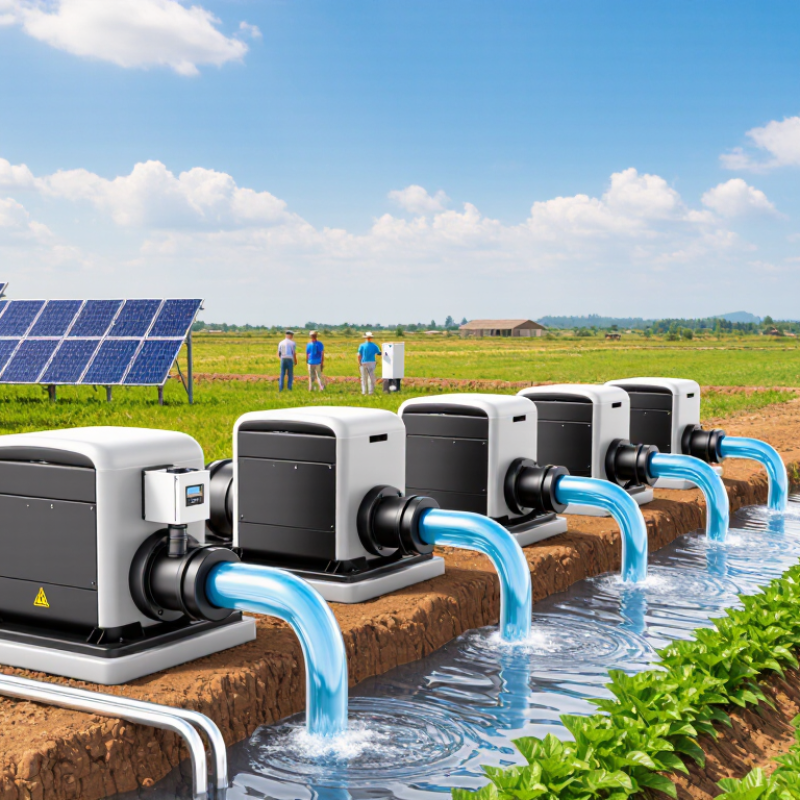
In 2023, the world added an estimated 407 GW of solar photovoltaic capacity. That figure signals rapid growth, but it does not measure solar water pump sales. It does show a larger supply chain for panels, inverters, and related components. For buyers comparing manufacturers in 2026, this context matters. Strong PV growth can support wider equipment availability, yet local service and system design still determine how reliably a pump performs.
A solar pump must match its water source, lift height, and daily demand. A deep borehole needs different sizing from a shallow irrigation pond. Ask manufacturers for pump curves, operating limits, and clear guidance on controller compatibility. Check how the system performs during cloudy periods, too. The 407 GW figure is impressive, but it cannot guarantee a suitable pump or dependable after-sales support.
Tips: Share your required flow rate and total pumping head before requesting a quotation. Confirm warranty terms and spare-part access in writing. Small details matter. One caution: published capacity estimates can vary by source and methodology, so treat the number as market context, not a product-performance claim.
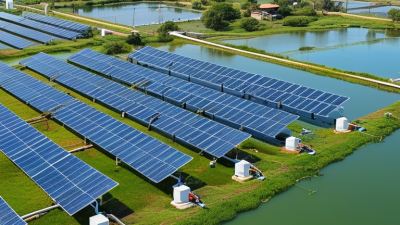
A credible 2026 ranking of solar water pump manufacturers should begin with comparable evidence, not catalogue claims. IEC 62253 defines design qualification and performance measurement for photovoltaic pumping systems. Tests should report flow and total head at stated sunlight and operating conditions.
The duty point matters. A pump moving 4 cubic metres per hour at low lift may deliver far less at 30 metres.
IRENA’s Renewable Power Generation Costs in 2023 reported a global weighted-average utility-scale solar PV cost of USD 0.044 per kilowatt-hour, 90% lower than in 2010. That trend supports wider solar use, but it does not certify any pump.
ISO 9001 can indicate controlled quality processes; it does not guarantee a specific motor’s durability or hydraulic output. Compare warranty duration, exclusions, spare-parts access, and published test curves.
Export records can help show sustained international shipments, though customs categories and reporting coverage differ. Treat those figures cautiously.
A fair score should reward independently verifiable flow and head data, IEC-aligned testing, traceable quality systems, and clear warranty terms. Missing test conditions deserve a penalty, even when headline specifications look impressive.
Rankings still have a weak spot: field performance changes with dust, shading, and installation quality. No single table captures every farm.
For a 2026 comparison of China’s solar water pump manufacturers, look beyond rated wattage. The IEA PVPS Snapshot of Global PV Markets 2024 recorded 456 GW of new solar capacity in 2023. That rapid expansion makes component quality and accurate system sizing increasingly important. MPPT controllers continually adjust operating voltage to extract available panel power as sunlight changes. This matters when clouds pass or morning light is weak.
Check what an efficiency figure actually measures. “Up to 95%” may describe peak controller efficiency under specific test conditions, not the full journey from sunlight to delivered water. Panel temperature, cable length, pump load, and total pumping head all reduce real output. Fraunhofer ISE’s Photovoltaics Report documents module performance separately from whole-system performance, so avoid treating panel ratings as pump efficiency. Small details matter.
IP68 indicates dust-tight construction and protection against immersion under specified conditions in IEC 60529; it does not mean unlimited underwater operation. Ask for the stated immersion depth and duration, plus motor temperature and dry-run protections. Compare tested flow at a defined total head, not a headline maximum. A useful checklist. Field conditions rarely match laboratory ones, and even a strong datasheet cannot replace clear test methods.
China’s solar water pump manufacturers serve different needs, so a useful profile looks beyond catalog size. One group focuses on deep wells, pairing submersible pumps with controllers suited to changing sunlight. Another builds surface pumps for ponds and shallow sources. Brushless DC specialists emphasize efficient operation, while hybrid-system makers offer grid or generator backup for cloudy periods. Details matter.
Other suppliers concentrate on farm irrigation, livestock watering, or compact systems for household use. Some provide remote monitoring, which can help operators spot low flow or controller faults. OEM-focused factories may adapt voltage, outlet size, or packaging, but customization should be confirmed in writing. A broad product range is not proof of dependable field performance.
The remaining profiles include export-oriented manufacturers with multilingual documentation, firms offering installation guidance, and suppliers emphasizing spare parts or after-sales support. Buyers should compare pump curves, head and flow data, test records, warranty terms, and replacement-part access. Ask for performance figures at the intended lift, not just a best-case rating. A neat catalog can still hide a weak service network. Not guaranteed. These distinctions make the ten profiles more useful than a simple popularity list, while reminding readers to verify claims against their own site conditions.
Industry context: China’s annual newly installed photovoltaic capacity, 2016–2023
China’s rapid growth in photovoltaic installations provides useful market context for solar water pump manufacturers. These figures describe national PV capacity additions, not the output, market share, or ranking of individual manufacturers.
Source: China National Energy Administration (NEA), annual photovoltaic power generation construction and operation statistics. Capacity additions are shown in gigawatts (GW).
A useful 2026 comparison of China’s ten leading solar water pump manufacturers should start with matched operating conditions, not headline claims. Compare rated power in kW, flow in m³/h, and total dynamic head in metres. A pump moving 10 m³/h at 20 metres is not directly comparable to one rated for 10 m³/h at 50 metres. Ask for performance curves, not a single maximum-flow figure. Those details matter.
Price should be evaluated against the complete system: pump, controller, cables, sensors, and any required mounting hardware. Request itemised quotations in the same currency and confirm whether freight, commissioning, or spare parts are included. A low pump price can look less attractive when the controller is sold separately. That is easy to overlook.
Certification claims also need checking against the exact model and destination market; request current certificates and matching product identifiers rather than relying on a catalogue logo.
Service deserves equal weight beside specifications. Compare warranty terms, response times, troubleshooting support, and availability of replacement controllers or seals. Ask whether technical help is available in your working hours, and whether support includes installation guidance. For a fair top-ten table, record each supplier’s tested duty point, quoted system price, documented certifications, and service commitments. Some figures may remain difficult to verify without a sample test. Note that uncertainty plainly, rather than treating every catalogue value as confirmed performance.